

Interviews often represent the most pivotal moment in a job seeker’s career journey, yet many underestimate how attire shapes first impressions. Employers frequently judge professionalism, attention to detail, and cultural fit within the first few seconds. When a presentation fails to match the tone or standards of the organization, even a highly qualified candidate may struggle to overcome that initial bias. Understanding how wardrobe choices influence perception is, therefore, essential to achieving interview success.
With years of experience supporting candidates across federal, executive, and entry-level positions, hiring strategists emphasize one consistent truth: attire communicates respect for the process. This guide is designed for job seekers preparing for interviews across industries—from healthcare and technology to education and finance—who want to avoid common dressing pitfalls. It provides a detailed breakdown of what not to wear to an interview and how to align attire with professional expectations in any setting.
Why Knowing What Not to Wear to an Interview Attire Matters
In professional environments, clothing speaks a language that precedes formal dialogue. It sends nonverbal cues about reliability, seriousness, and understanding of business norms. Research consistently shows that employers form impressions based on candidates’ appearance early in the interview process, often before evaluating qualifications. For interviewers juggling numerous applicants, visual impressions function as a shortcut to gauge readiness and professionalism.
Interview attire also conveys awareness of the industry’s standards. For instance, healthcare professionals are often evaluated based on their cleanliness and neatness, reflecting workplace hygiene expectations. Tech startups may value modern, business-casual attire that communicates innovation and comfort with agile cultures, while finance or legal sectors still uphold traditional formal norms. Tailoring one’s outfit to these silent codes demonstrates situational awareness—a soft skill valued across professions.
Additionally, attire plays a psychological role. Clean, well-fitting clothing increases personal confidence and helps manage interview anxiety. A candidate uncomfortable in clothing that feels too casual, tight, or flashy may become distracted. Equally, interviewers subconsciously associate neatness with reliability and attention to detail. Proper dress, therefore, reinforces an applicant’s verbal presentation and strengthens alignment between personal brand and employer expectations. At the same time, knowing what not to wear to an interview safeguards professionalism and keeps credibility at the forefront.
Common Interview Attire Mistakes to Avoid
Many job seekers confidently prepare their interview responses and resumes, yet attire errors can easily undermine that preparation. Understanding what not to wear to an interview eliminates unnecessary risk and ensures complete focus remains on qualifications, not distractions. The following sections highlight some of the most frequent dress mistakes across professional settings.
1. Overly Casual Clothing
Denim jeans, shorts, T-shirts, or hoodies are rarely appropriate unless explicitly acceptable in tech startups or creative industries. Even when companies maintain relaxed dress codes, appearing slightly more formal shows initiative and respect for the meeting.
2. Wrinkled, Dirty, or Stained Garments
Attention to presentation reflects organizational skills. Unkempt clothing implies carelessness or lack of attention to detail—two traits no hiring manager wants in an employee.
3. Excessive Fragrance or Strong Scents
Perfumes and colognes should be minimal or avoided entirely, as allergic sensitivities are common in enclosed meeting spaces.
4. Distracting Accessories
Oversized jewelry, bright ties, or flamboyant handbags can draw attention away from conversation. Accessories should complement, never dominate, a professional appearance.
5. Revealing Attire
Low-cut tops, short skirts, or tight-fitting clothing create discomfort and risk impressions of unprofessionalism. Conservative choices are always safer for formal interviews.
6. Inappropriate Footwear
Flip-flops, sneakers, or worn-out shoes undermine otherwise formal outfits. Polished dress shoes, neutral flats, or clean closed-toe heels show care and attention to final details.
7. Graphic or Controversial Prints
Clothing that displays slogans, political messages, or casual logos detracts from credibility and distracts from interview discussions.
8. Heavy Makeup or Overdone Hairstyles
Neutral tones and simple grooming create balance and approachability. Excessive cosmetics or experimental hair colors can confuse professional identity.
9. Unfitted Jackets or Baggy Suits
Ill-fitting clothes signal poor preparation. Tailoring ensures confidence in movement and demonstrates investment in self-presentation.
10. Ignoring Company Culture
Wearing a three-piece suit to a casual tech employer or sneakers to a law firm interview both communicate a disconnect. Researching the company dress code ensures alignment.
Each mistake listed above prevents hiring managers from focusing on an applicant’s skills and alignment with company values. Appropriate attire creates a neutral, professional foundation that highlights communication, competence, and confidence instead of distractions.
Industry-Specific Expectations
While universal rules help guide basic appearance, industries across the U.S. display differing cultural norms regarding professional attire. Knowing what not to wear to an interview depends heavily on each organization’s identity, values, and operational environment. The key lies in decoding these expectations before the interview.
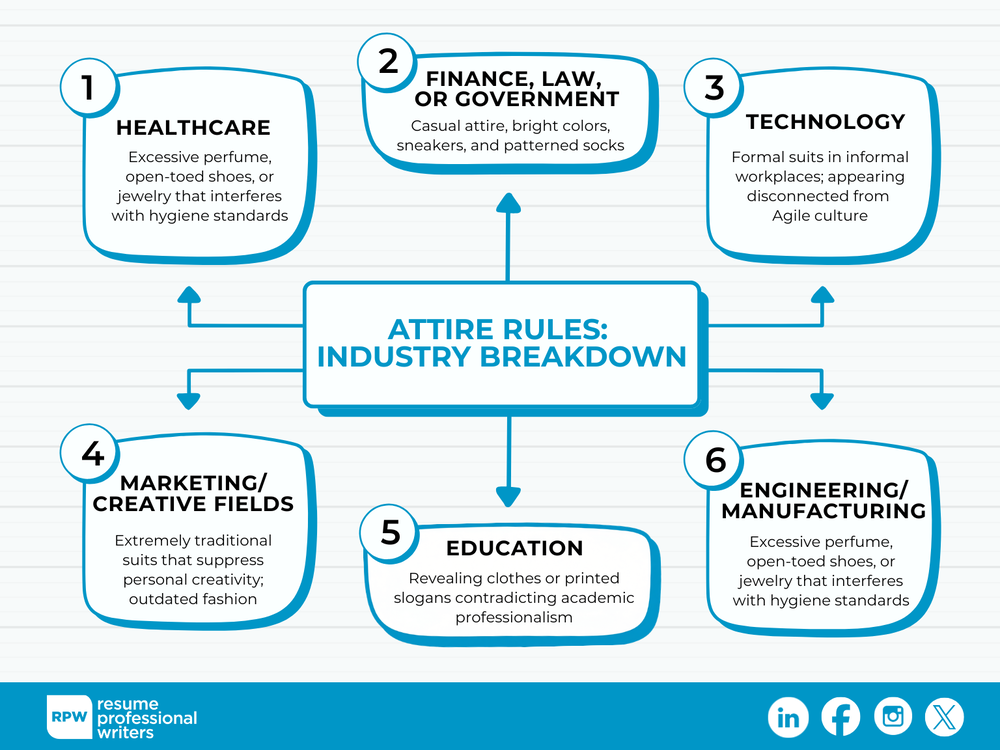
This adaptability empowers job seekers to project both individuality and alignment. For instance, marketing professionals may wear subtle pops of color to convey creativity, while engineers may prioritize structured, neutral-toned business casual ensembles. Conversely, arriving at a manufacturing site interview in expensive attire could create perceptions of detachment from the operational culture. Matching one’s appearance to the environment translates into strategic career communication.
The Psychology Behind First Impressions
Human decision-making during interviews often relies on subconscious cues. Studies on organizational behavior emphasize that recruiters form first impressions within seven seconds. Clothing, cleanliness, and grooming directly influence those assessments, often well before a conversation begins. Employers unconsciously associate neat attire with discipline and cognitive organization—a bias that can work for or against applicants depending on presentation.
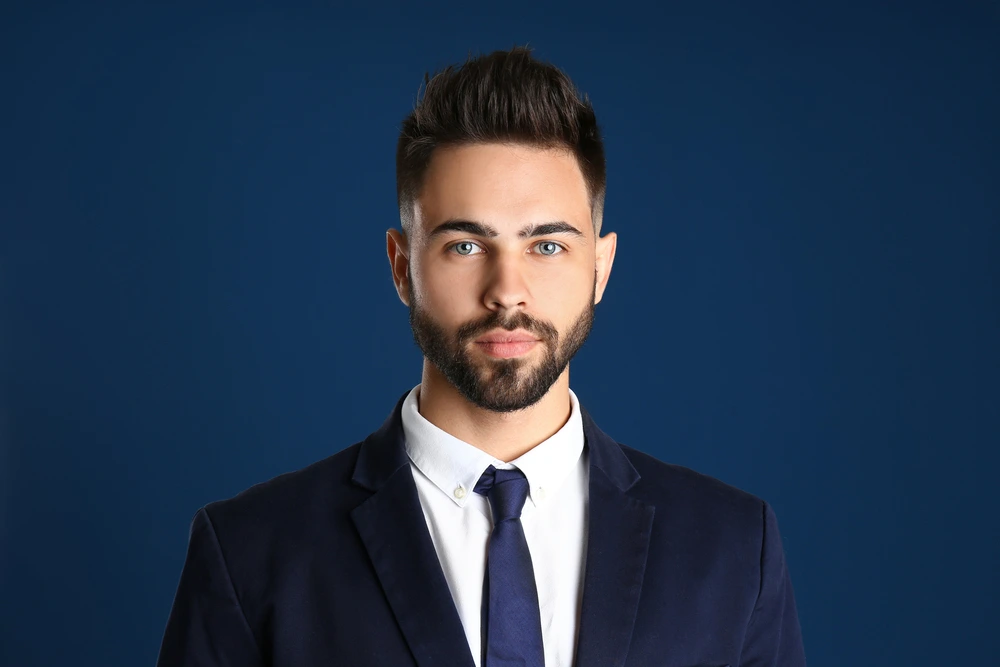
Color psychology also plays a silent but powerful role. Darker shades such as navy or charcoal convey authority and stability, while muted tones—beige, gray, or cream—communicate approachability. Conversely, neon or overly bright attire can trigger impressions of impulsiveness or lack of restraint. Understanding these subtleties allows job seekers to communicate cultural alignment without speaking a word.
Additionally, self-perception mirrors external appearance. When dressed professionally, candidates exude composure and confidence, reinforcing credibility through posture and tone. This phenomenon—known as “enclothed cognition”—demonstrates that clothing not only influences how others see individuals but also how individuals perform under pressure.
Appropriate attire, therefore, operates as both mental preparation and strategic branding. Hence, knowing what not to wear to an interview helps you strengthen your credibility and boost psychological advantages, as the right attire conveys professionalism, aligns with company culture, and reinforces the confidence needed to perform effectively under pressure.
Case Study: A Professional Pivot Through Image Awareness
Before
A mid-career marketing coordinator transitioning into corporate communications consistently reached final interview rounds but failed to secure offers. Despite strong credentials, feedback revealed that her attire appeared too casual and creative for the conservative industries she targeted—an example of what not to wear to an interview when aiming for traditional corporate roles.
Strategy
After consulting a career stylist, she adopted minimalist attire—structured blazers, neutral color palettes, and subtle accessories. The shift complemented her professional achievements and aligned more closely with executive expectations in media relations roles.
After
Within two weeks, she received multiple offers from organizations that had previously declined her applications. The transformation reinforced how adjusting small image elements can significantly strengthen perceived fit and leadership potential.
Balancing Personal Style With Professionalism
Many professionals worry that adhering to corporate standards means suppressing personality. However, balance is achievable. Subtle personal touches—a unique watchband, textured scarf, or softly colored tie—can project confidence while respecting workplace decorum. Authenticity resonates best when expressed within professional limits.
Grooming plays an equal importance in maintaining this balance. Clean nails, tidy hair, and neutral grooming choices harmonize with wardrobe elements to form a cohesive impression. Similarly, minimalism enhances sophistication; restraint often communicates awareness of context—a valuable skill for any role involving communication or leadership.
For industries such as fashion or design, limited creativity becomes counterproductive. In those spaces, tasteful self-expression signals confidence and alignment with brand identity. Ultimately, the right balance depends on reading the room—interpreting cues from company websites, social media presence, or recruiter communication before finalizing choices. Equally, knowing what not to wear to an interview ensures that individuality never overshadows professionalism.
Final Preparation Checklist Before the Interview
Preparation extends beyond selecting garments. A strategic checklist ensures that every visual element contributes to a cohesive professional statement. Job seekers can use this structured approach to eliminate last-minute oversights.
This checklist will help demonstrate intentionality—a quality employers consistently associate with leadership potential.
✅ Inspect clothing under bright light to confirm cleanliness and eliminate lint or wrinkles.
✅ Ensure shoes are polished, with no visible scuffs or worn heels.
✅ Confirm accessories are simple and functional: a watch, pen, or notebook may suffice.
✅ Prepare backup attire to mitigate emergencies such as weather changes or accidental stains.
✅ Limit visible piercings and ensure tattoos remain covered where applicable to corporate norms.
✅ Check that the outfit allows comfortable sitting, reaching, and walking movement, preventing awkward moments.
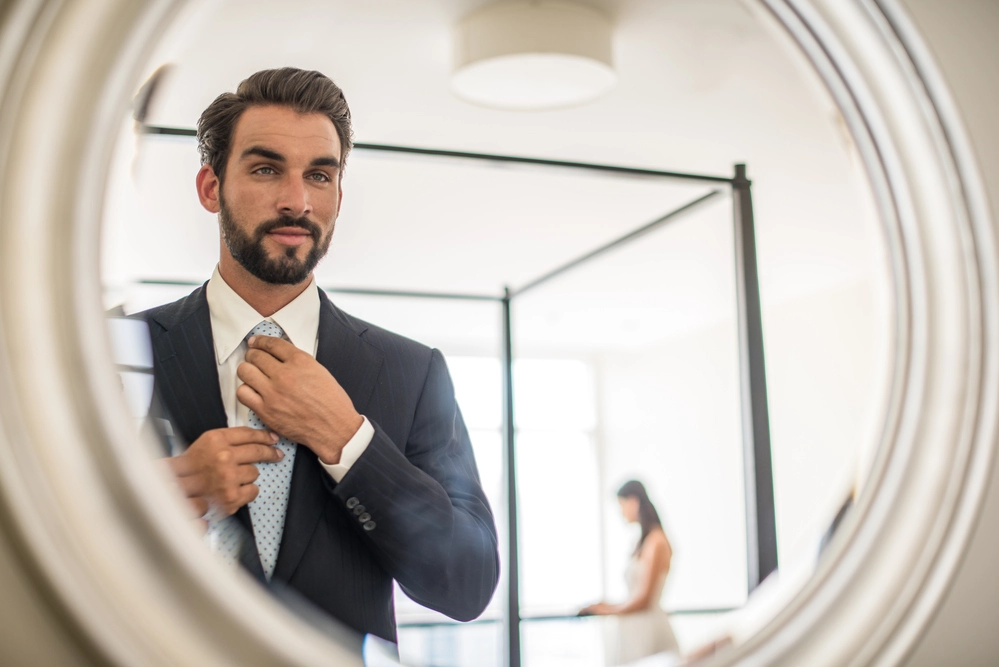
✅ Perform a mirror check in natural and artificial light to assess color coordination.
Candidates who show they respect details tend to reassure hiring managers of their reliability in workplace operations. In addition, awareness of what not to wear to an interview reinforces this reliability, since avoiding casual, flashy, or ill-suited attire ensures that attention remains on competence rather than distractions.
Professional Presence Beyond Attire
Even flawless wardrobe choices cannot compensate for nonverbal inconsistencies such as poor posture, weak handshake, or excessive phone use before the interview. Professional presence integrates attire with composed demeanor, courteous responses, and authenticity. Combining these dimensions conveys readiness to represent the organization confidently.
Job seekers should remember that recruiters evaluate congruence between the spoken message, the tone of voice, and the visual presentation. Inconsistent signals—such as poorly chosen clothing paired with strong qualifications—can create cognitive dissonance. When personal image aligns seamlessly with verbal professionalism, credibility strengthens. This alignment also requires awareness of what not to wear to an interview, since inappropriate attire can undermine the very professionalism candidates aim to project.
Making a Polished Impression That Lasts
Ultimately, interviews require more than memorized answers—they reveal interpersonal intelligence. Smart attire signals preparation, empathy, and awareness of expectations. Whether attending in-person or virtual interviews, attention to clothes, lighting, and visible background reinforces professionalism. Small details—such as neatly pressed cuffs or ironed collars—often elevate presentation from acceptable to exceptional. Therefore, understanding what not to wear to an interview is equally essential, since inappropriate choices can distract from competence and weaken professionalism.
In highly competitive job markets, projecting credibility extends beyond fashion—it demonstrates respect for opportunity. A candidate who invests in readiness conveys genuine enthusiasm for the role. For many professionals, achieving that composure and confidence begins earlier in the process with career documents crafted by professional resume writers who ensure every career element, from resume to interview attire, aligns toward success.
Frequently Asked Questions
What colors are considered most professional for an interview?
Neutral and muted tones such as navy, charcoal gray, beige, black, and white are the safest choices. A subtle accent color, like blue or a soft pastel, can add approachability. According to the LinkedIn Executive Style Guide (2025), shades such as blue, black, and gray consistently evoke trust, stability, and professionalism across industries
Is business casual acceptable for most interviews?
Business casual is acceptable for many sectors like tech, education, and creative marketing, but job seekers should lean toward a slightly more formal appearance than daily office norms. Researching company culture and employee photos on platforms like LinkedIn helps identify appropriate dress tone.
What not to wear to an interview on camera during a remote session?
Clothing with stripes, logos, or patterns that distort on-screen should be avoided. Cameras highlight contrast inconsistently, so solid, neutral colors perform best. Candidates should also ensure lighting complements skin tone without creating glare or shadow that distracts from facial expressions.
How important are shoes in creating a first impression?
Shoes complete the overall image. Scuffed, dirty, or casual footwear undermines otherwise professional attire. Polished dress shoes or closed-toe flats reflect discipline and respect, particularly in in-person interviews where a detailed visual presentation becomes noticeable immediately.
Can accessories help express a personal brand during interviews?
Yes, in moderation. Well-chosen accessories, such as a classic watch, minimalist jewelry, or a simple belt, add polish without distraction. Excessive or flashy items shift focus away from conversation and should therefore remain minimal. Consistency and restraint amplify professionalism.