

Expectant professionals often face the challenge of balancing personal transitions with ongoing workplace responsibilities. Preparing for maternity leave requires careful planning, particularly when crafting communication that maintains professionalism while ensuring workflow continuity. One key component of that preparation involves developing a clear, effective, and well-timed out of office message that sets expectations for colleagues, clients, and stakeholders.
As career-focused women navigate this essential life phase, understanding how to write a thoughtful maternity leave out of office message becomes critical. This guide serves executives, employees, remote professionals, and freelancers alike, providing actionable strategies, message templates, and tone-setting principles that align with U.S. workplace etiquette and communication standards.
Why a Maternity Leave Out of Office Message Matters
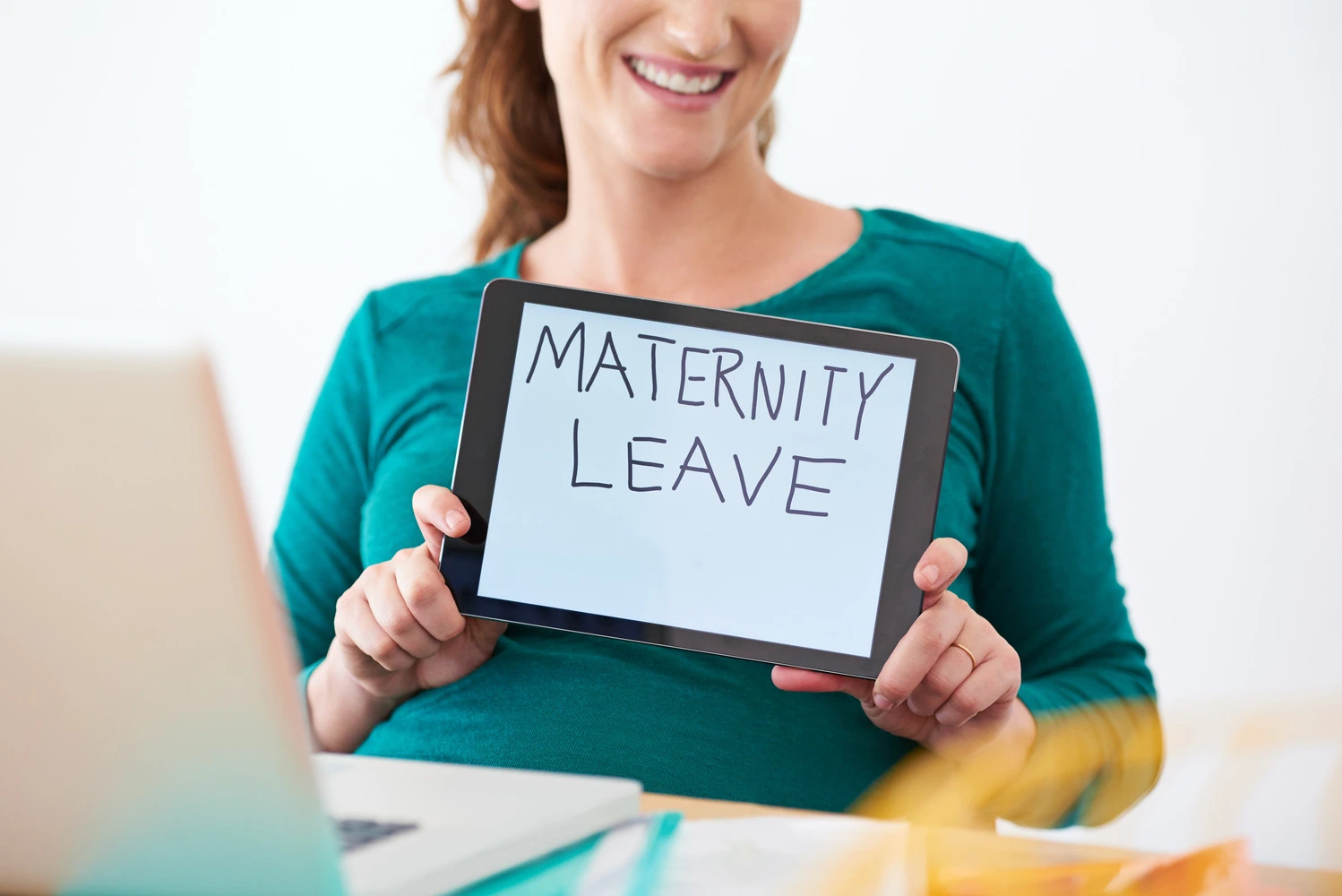
A maternity leave out of office message is more than an automatic email response—it is a professional boundary-setting tool that communicates availability, fosters accountability, and ensures business continuity. Employers, clients, and colleagues depend on clear transitions; a well-written maternity leave out of office message not only provides reassurance but also demonstrates responsible planning.
The United States offers varied maternity leave policies depending on employer size, tenure, and eligibility under the Family and Medical Leave Act (FMLA), which grants up to 12 weeks of unpaid leave for eligible employees. During this period, communication must remain professional, concise, and considerate. A maternity leave out of office message signals preparedness and respect for workplace processes while allowing expecting mothers to fully disengage and focus on recovery and family care.
HR professionals emphasize that clear communication reduces disruption and contributes to smoother transitions when team members assume temporary responsibilities. Leaving contact details for alternate points of communication also ensures critical decisions continue seamlessly in an employee’s absence. Ultimately, a maternity leave out of office message becomes a cornerstone of professional courtesy.
Best Practices for Writing a Maternity Leave Out of Office Message
Job seekers and professionals preparing to leave should view their maternity leave out of office message as an extension of their personal brand. It communicates organization, foresight, and empathy—all valuable workplace traits. Adopting the following best practices ensures clarity, professionalism, and tone alignment with organizational culture.
- Maintain Professional Tone: While warmth and authenticity are encouraged, overly personal language should be avoided. A professional tone builds confidence in colleagues and clients.
- Specify Dates Clearly: Include exact start and expected return dates. If flexibility exists due to health or postpartum considerations, note the tentative nature without committing to unrealistic timelines.
- Identify Backup Contacts: Listing one or two trusted colleagues ensures that clients and partners know who to reach out to for urgent matters. Always confirm their consent and provide both email and phone information where appropriate.
- Express Gratitude: Brief appreciation statements, such as thanking colleagues for support, create goodwill and reinforce positive workplace relationships.
- Avoid Oversharing Personal Information: While colleagues may be aware of the parental leave, sensitive medical or family details should remain private.
Crafting this message well in advance—ideally a couple of weeks before the leave starts—allows time for feedback from managers or HR departments to ensure consistency with company messaging protocols.
Key Elements of an Effective Maternity Leave Message

An effective maternity leave out of office message contains several elements that together project professionalism and empathy. Understanding these structural components helps job seekers and professionals confidently design tailored maternity leave out of office message that align with organizational expectations and individual communication styles.
| Essential Component | Purpose/Description |
|---|---|
| Greeting | Opens the message courteously, often using a neutral yet polite introduction. |
| Leave Announcement | States that the employee is on maternity leave, including start and anticipated return dates. |
| Availability Statement | Clarifies that the employee will have limited or no email access for the duration of the leave. |
| Alternative Contact Information | Provides contact details of one or more colleagues who can assist with urgent matters. |
| Appreciation and Closing | Ends the message with gratitude and a polite closing line. |
Maintaining brevity while including all four components ensures balance between professionalism and warmth. Long-winded messages risk information overload or potential boundary-crossing. Professionals should mirror the company’s culture: formal messages fit corporate environments, whereas conversational ones work for startups or creative industries.
Maternity Leave Out of Office Message Examples
The following examples demonstrate tone variations and structural adaptability suitable for different employment types and industries within the U.S. workforce. Each template may be customized depending on the company culture and communication priorities.
- Formal Corporate Example
“Thank you for your message. I am currently out of the office on maternity leave until [return date]. I will not be checking email during this period. For urgent matters, please contact [colleague name] at [email address]. I appreciate your understanding and look forward to reconnecting upon my return.” - Client-Focused Version
“Hello, and thank you for reaching out. I am away on maternity leave from [start date] to [return date]. For ongoing projects, please contact [alternative contact name and title]. I appreciate your patience while my team ensures continued support in my absence.” - Friendly but Professional Approach
“Hi there, I’m currently on maternity leave and will return on [return date]. During this time, I will have limited access to email. For immediate assistance, please reach out to [contact name, email, or department]. Thank you for your support!” - Short Internal Message
“I am on maternity leave until [return date] and will not be available for meetings or emails. Please reach out to [backup contact name] for assistance. Thank you!” - Remote/Hybrid Employee Version
“Thank you for reaching out! I am currently on maternity leave and offline until [return date]. For anything time-sensitive, please connect with [contact name]. I will respond after my return. Warm regards.”
Each variation balances clarity and empathy. Formal contexts benefit from structured language, while flexible environments may adopt warmer expressions. Job seekers seeking reentry after maternity leave can later adapt similar formats to demonstrate consistent professionalism across all communication stages.
When to Set and Remove the Auto-Reply
Timing plays a crucial role in maintaining communication efficiency. Typically, professionals activate their maternity leave out of office message at the end of their final working day to ensure all correspondence is covered from the start of their leave. For those working in teams with staggered schedules, setting the message a day earlier guarantees seamless coverage.
Job seekers returning to work or transitioning careers after maternity leave should carefully plan when to deactivate the auto-response. Removing the message too late could create confusion, whereas removing it prematurely could flood inboxes before proper reintegration. Replacing the message temporarily with a transitional note (e.g., “Now returned from leave—please allow extra time for response”) may bridge the gap during the adjustment period.
Employers appreciate proactive communication regarding activation and removal timelines, particularly in highly collaborative industries such as healthcare, IT, and education, where workloads are often interdependent.
Customizing for Industry-Specific Expectations
Different sectors interpret maternity leave out of office message tone and content uniquely. For example, professionals in healthcare, law, or government settings typically maintain formality due to data privacy and compliance standards. Conversely, professionals in marketing or design may adopt more personable messaging to reinforce creativity and trust. Customizing phrasing for the industry prevents tone mismatches and affirms professionalism.
In corporate finance or executive management, details on deputized authority can be mentioned, e.g., “Operations-related inquiries should be directed to [name], who will handle all interim decision-making.” Public-sector employees should verify that their message adheres to agency communication policy to avoid any compliance risks.
Meanwhile, freelancers or independent contractors in 2026’s rapidly growing gig economy benefit from stating limited availability while reassuring clients of ongoing project management. Digital workplaces expect a balance between transparency and privacy, making concise and neutral wording most appropriate for client communications.
How to Coordinate with HR and Team Leads
Coordination with HR departments and supervisors ensures that maternity leave communication aligns with internal systems and policies. HR records often determine the official leave dates displayed in auto-reply tools, workforce dashboards, or shared calendars. Clear alignment prevents errors and misunderstandings.
Prior to setting an automatic response, HR professionals may ask to review the draft of the maternity leave out of office message to verify compliance, especially in firms governed by confidentiality requirements. Team leaders may suggest adjustments for tone consistency within the department’s communication style, maintaining cohesiveness across automated responses during staff absences.
For executives, this coordination extends beyond internal HR; external partners and clients must be informed through either formal briefings or pre-leave meetings. Providing transparent updates about temporary delegates or team leads creates trust and minimizes disruption during the leave period.
Common Mistakes to Avoid

Even experienced professionals occasionally make communication missteps during transition periods. Recognizing frequent errors helps in crafting an effective maternity leave out of office message that reflects professionalism and empathy in equal measure.
- Ambiguous Return Dates: Avoid language such as “possibly” or “around” unless truly uncertain. Clarity reduces confusion and support requests.
- Excessive Personal Details: Discussing medical conditions, personal adjustments, or family circumstances can overstep workplace norms.
- No Backup Contact: Failure to list a substitute creates unnecessary bottlenecks in communication.
- Overly Technical Jargon: Messages should be easily understood by employees and external partners alike.
- Sarcasm or Humor: While intended lightheartedly, humor can misinterpret tone or minimize professional boundaries in automated correspondence.
A concise and neutral style remains the safest and most universally respected option, regardless of workplace culture. Successful communication focuses on accessibility and responsibility, two attributes that leave positive impressions long after the leave ends.
Integrating Automation Tools and Systems
Modern workplaces frequently rely on automation platforms such as Microsoft Outlook, Google Workspace, or Slack integrations to configure maternity leave out of office message replies. Professionals must ensure that the maternity leave message functions properly across devices and communication channels.
Outlook allows differentiated internal and external responses—an advantage for tailoring tone to audiences. Internally, the note may include more context about task delegation, while externally it can remain brief. For remote teams relying on Slack, an updated status noting the leave (“On maternity leave until [date]”) complements the email auto-reply. Coordinated messaging reduces confusion and redundant inquiries.
Employers increasingly apply HRIS systems that automate temporary replacements into workflows. Integrating communication platforms with HR-approved templates further standardizes message consistency and compliance with equality and privacy policies, an emerging best practice for 2026’s technologically enabled HR landscape.
Beyond the Message: Managing Transitions Effectively
While a maternity leave out of office message covers external communication, preparation extends deeper into workflow strategy. Effective transition includes documenting procedures, setting equitable expectations, and aligning deliverables prior to departure. Professionals should communicate project statuses in shared tracking systems and schedule knowledge transfer sessions with colleagues assuming temporary responsibilities.
Team trust strengthens when transitions appear thoughtful. Assigning practical handover notes or resource links improves continuity. As many organizations move toward inclusive parental leave programs, these best practices now belong to broader career sustainability strategies. Transparent communication before, during, and after maternity leave cultivates environments where employees thrive without compromising work-life balance.
Return-to-Work Reintegration
After maternity leave, reintegration can feel both exciting and overwhelming. Updating the out of office auto-response to indicate limited email monitoring for the first week helps manage expectations. This transitional message acknowledges recent absence while signaling commitment to resume normal operations soon.
Employers appreciate proactive updates, such as noting new working arrangements, hybrid schedules, or ongoing flexibility agreements. Short, structured updates foster clarity and professionalism as employees reestablish workplace rhythm. Job seekers transitioning back into active employment after extended parental leave can apply similar strategies on professional networking platforms such as LinkedIn to signal reavailability with confidence.
Encouraging a Culture of Empathetic Communication
Organizations benefit when employees model empathetic communication. A well-written maternity leave message can encourage cultural shifts toward balance and understanding. It normalizes parental leave as an essential aspect of professional life rather than an interruption. When leaders demonstrate respect for these boundaries, the workplace atmosphere naturally becomes more inclusive and sustainable.
By establishing consistent processes—like standardized leave messages and delegated responsibility frameworks—companies reinforce equity for all employees taking family-related leave. These measures enhance morale, retention, and brand reputation across industries, from healthcare to technology to education.
Crafting a Maternity Leave Message That Reflects Leadership
Executives and senior managers on parental leave have added influence in shaping the communication culture. Leadership-level maternity leave out of office messages serve as examples of balanced professionalism—showing that commitment to family responsibilities and corporate accountability coexist. Leaders demonstrating structured communication before leaving build trust, strengthen teams, and set internal standards of transparency.
For executives, it’s common practice to include interim leadership contact details or a temporary management structure in the message. This level of preparedness conveys confidence and supports continuity across departments. Putting equal emphasis on clarity and approachability maintains the leader’s credibility while reinforcing empathy-driven leadership principles.
Strengthening Career Growth Through Thoughtful Communication
Job seekers returning after maternity leave can leverage this communication experience to highlight strategic planning and interpersonal skills in future interviews. Demonstrating ability to manage long-term projects responsibly—including communicating transitions effectively—illustrates valuable soft skills such as adaptability, organization, and empathy, all of which are increasingly valued by employers in 2026’s evolving workplace landscape.
Professionals can document these experiences in their resumes under achievements related to process management, communication efficiency, or leadership. Career progression often depends on visibility and reliability, both of which are reinforced by proactive communication before and after major personal milestones.
Building Confidence for Every Career Stage
Whether entry-level team members or seasoned leaders, all professionals preparing for maternity leave benefit from transparent and confident communication. A carefully written out of office message becomes a stepping stone toward a smoother transition, supporting both continuity and credibility. Clear messaging nurtures career stability and helps sustain relationships with organizations and clients long-term. Many working professionals enhance their career readiness through professional resume writers who refine communication materials to align with industry standards and personal goals.
Frequently Asked Questions
How long should a maternity leave out of office message remain active?
Professionals should keep the out of office message active throughout their official leave period. In most cases, this spans 6 to 12 weeks depending on company policy or state program benefits. The message can remain active until the first working day of reintegration.
Can an employee check emails occasionally during maternity leave?
While some choose limited check-ins, HR experts generally recommend maintaining full disconnection to support recovery and bonding. If occasional availability is needed, the message should explicitly set expectations, such as “Checking emails weekly for urgent updates.”
Should internal and external out of office messages be different?
Yes. Internal messages may include more operational details and designated interim leadership contacts, while external versions remain concise and privacy-protected. Both maintain professional courtesy and clarity.
How can freelancers manage a maternity leave message with clients?
Freelancers benefit from clearly communicating project timelines and establishing backup arrangements in advance. Their out of office message should reassure clients of continuity and provide alternative contact or follow-up dates for future work discussions.
Is it necessary to mention the reason for leave specifically as maternity?
No, though transparency often builds empathy. Professionals may either mention “maternity leave” explicitly or use general phrasing like “on family leave.” The decision should align with workplace culture and the individual’s comfort level.