


Leaving a job, whether due to better opportunities, burnout, or a career pivot, often stirs uncertainty and stress. Many professionals find it difficult to balance loyalty, respect, and personal ambitions when planning their departure. Deciding how and when to resign strategically can define how colleagues, future employers, and industry peers perceive a departing employee.
As a trusted authority on career advancement, employment transitions, and job search strategies, this comprehensive resource is designed for professionals in every field—from healthcare and IT to education, administration, and government service. It explains step-by-step how to quit a job with professionalism and foresight, ensuring a positive transition while protecting career reputation and future prospects.

Understanding Why Job Seekers Quit
The decision to quit a job should never be impulsive. To move forward with confidence, job seekers must first uncover the real reasons behind their dissatisfaction. Quitting without clarity risks turning a temporary frustration into a long-term setback.
Common Reasons People Walk Away
- Stagnant Growth – no clear path for advancement or skill development
- Misaligned Values – disconnect between personal principles and company culture
- Toxic Environments – unhealthy dynamics that drain energy and morale
- Inadequate Pay – compensation that fails to match effort or market standards
- Career Shifts – the desire to explore new industries or roles
Identifying the true cause ensures the decision stems from strategic planning rather than temporary frustration.
According to the U.S. Bureau of Labor Statistics (BLS), the national quit rate in 2025 continues to reflect a workforce increasingly confident in labor mobility. Demand for specialized talent in technology, healthcare, and engineering has empowered workers to prioritize work-life balance and long-term satisfaction over rigid job tenure.
Quitting without adequate preparation can lead to financial strain or stalled career momentum. Employees considering resignation should evaluate their readiness through practical questions:
- Is there another offer secured?
- Are finances sufficient to sustain periods of unemployment?
- Have all internal mobility options been explored?
Clarity in motivation and preparedness helps prevent regret or reputational risk post-resignation. Understanding the “why” sets the foundation for careful, intentional action. Those who recognize their reasons early are better equipped to communicate their departure tactfully, leaving a lasting impression of integrity and leadership.
Timing the Resignation Strategically
Resignation is not just about leaving—it’s about how and when you leave. Timing plays a decisive role in shaping both professional reputation and future opportunities. Announcing too abruptly can disrupt operations and erode goodwill, while waiting too long may stall personal growth. The key lies in balancing courtesy with strategy.
Best Practices for Notice Periods
- Entry-level roles: 2–4 weeks in advance is generally sufficient
- Mid-level and senior professionals: 4+ weeks, especially when projects or leadership transitions are involved
- Federal or academic positions: often follow stricter exit protocols tied to contractual or administrative guidelines
External Factors to Consider
- Fiscal Year-End or Bonus Cycles – leaving after bonuses or vested benefits ensures financial fairness
- Upcoming Promotions or Performance Reviews – timing departure after recognition can maximize career momentum
- High-Stakes Transitions – avoid resigning during audits, launches, or critical company shifts without offering transition support
Employers appreciate transitional support, which often serves as a reference point when writing future recommendations. Strategic timing is a mark of maturity. Professionals who resign with foresight not only protect their reputation but also demonstrate leadership, qualities that hiring managers remember when verifying references.

Preparing Before Quitting a Job
Before submitting a resignation letter, professionals should establish a concrete personal and financial plan. The process includes gathering necessary documentation, updating employment records, and ensuring a seamless handoff for future references. Preparation mitigates risk and positions an employee as dependable even in departure.
A well-structured pre-resignation checklist may include the following:
1. Securing New Employment
Job seekers should ideally have a signed offer letter before submitting their notice. This avoids financial gaps and ensures peace of mind during the transition period.
2. Reviewing Employment Contracts
Examining non-compete clauses, confidentiality agreements, or return-of-property obligations prevents inadvertent contract violations.
3. Building Financial Stability
Experts recommend keeping at least three to six months of living expenses accessible before voluntary resignation to maintain flexibility during job searches.
4. Documenting Achievements
Crafting a comprehensive record of achievements, responsibilities, and outcomes ensures quantifiable data for future resumes or interviews.
5. Data and Network Management
Employees must back up personal files and update professional contacts on platforms like LinkedIn prior to exit.
Proper preparation demonstrates foresight and professionalism. By treating resignation as a strategic milestone rather than an emotional reaction, employees reinforce their personal brand of consistency and accountability.
How to Write a Professional Resignation Letter
A resignation letter serves as the official statement of departure, reflecting both gratitude and professionalism. Even when the work environment has been difficult, maintaining a neutral and respectful tone strengthens one’s professional image. The letter should be concise, clear, and formal, leaving no ambiguity regarding timelines or intentions.
Standard resignation letters in professional settings include essential elements:
- A polite statement of intent to resign
- The final working date that complies with the company’s notice policy
- A brief expression of appreciation for the opportunity
- An offer to assist with transition or knowledge transfer
For instance, a healthcare professional might express appreciation for mentorship and patient experience, while an IT specialist could highlight the value of technological exposure gained during tenure. Tailoring the message to reflect sincerity rather than formality ensures a lasting positive impression.
The tone should avoid negativity or blame. Even when resigning due to management concerns, professionalism dictates gratitude for experience and opportunities provided. Emotional restraint in written communication upholds an employee’s credibility across industries and references.
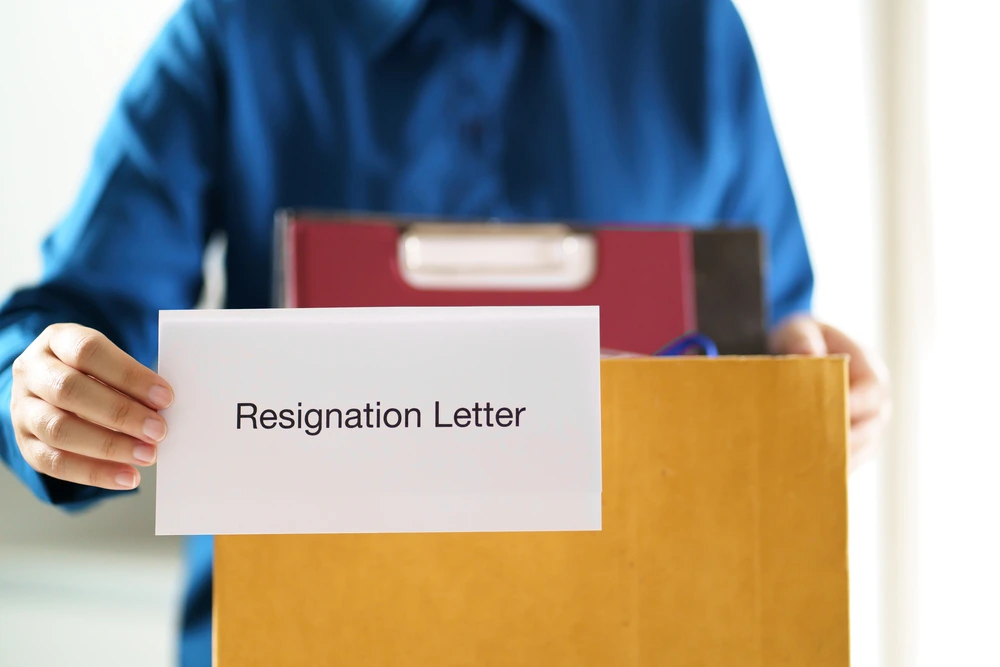
Delivering the Resignation Notice Professionally
Resigning from a role is as much about how the message is delivered as it is about the decision itself. Professionalism and tact ensure the departure leaves a positive impression and preserves long-term relationships.
How to Communicate a Resignation Professionally
- Inform the supervisor first – ideally through an in-person or video meeting
- Provide verbal and written notice together – demonstrating transparency and respect
- Keep the conversation brief and gracious – focus on gratitude and next steps, not grievances
- Submit a formal letter to HR – ensuring compliance and proper recordkeeping
What to Avoid
- Notices via text, instant message, or social media
- Casual or abrupt communication that undermines professionalism
- Rumor-driven disclosures that disrupt workplace morale
For remote workers, a formal email is acceptable, provided the tone remains courteous and respectful. In industries like finance or technology, where confidentiality is paramount, managers may request immediate departure after the notice. Job seekers should anticipate such protocols and prepare accordingly by safeguarding personal data and securing credentials before resignation day.
Professionalism displayed during this step often influences whether references remain supportive. As a best practice, workers who ensure smooth handovers strengthen long-term professional relationships beyond their current employer.
Handling the Transition Period
The transition stage between submitting a resignation and completing the final working day defines how a professional reputation endures post-departure. Those who remain productive, supportive, and collaborative until their last day often leave an impression of reliability and class.
Key Transition Practices
- Document processes thoroughly – create clear guides for successors to ensure continuity
- Train replacements effectively – pass on knowledge to minimize disruption
- Wrap up projects responsibly – close tasks or hand them over seamlessly
- Mentor teammates – mid- to senior-level professionals often strengthen workflow by guiding colleagues during the handover
Maintaining transparency in project management tools, responding to queries promptly, and ensuring stakeholders are informed demonstrates accountability. Job seekers should also coordinate with HR to confirm benefit disbursements, payroll clearing, or any pending documentation.
Additionally, using this time to gather written recommendations from supervisors or colleagues adds long-term career value. Positive exit relationships frequently lead to future partnerships or referrals, especially within industries where networks overlap across employers.
The transition phase embodies a professional’s true standard of ethics. Departing gracefully—by fulfilling obligations and showcasing diligence—guarantees the legacy remains defined by professionalism, not resignation.

Maintaining Strong Professional Relationships
Even after resigning, maintaining strong relationships with former colleagues and supervisors remains a cornerstone of career longevity. Networking after exit can facilitate future collaborations, job recommendations, and even client partnerships.
Leaving on a Positive Note
- Send personalized farewell messages – express gratitude, highlight memorable team experiences, and share updated contact information
- Tailor communication across divisions – acknowledging different teams fosters goodwill and keeps rapport alive
- Show appreciation openly – gratitude leaves a lasting impression that strengthens professional bonds
Staying Visible and Connected
- Leverage LinkedIn thoughtfully – post with gratitude, avoid criticism, and update profiles to reflect new career directions while honoring past mentorships
- Reconnect occasionally with former managers or peers – sincerity in follow-ups signals genuine respect, not opportunism
- Maintain visibility in professional circles – consistent engagement ensures reputation remains strong and opportunities stay within reach
Learning how to quit a job gracefully is about more than leaving a role—it’s about evolving relationships. Resignation does not mark the end of a professional connection; it signals growth. Those who manage their departures with tact and respect often find that the bridges they build thoughtfully yield lifetime career benefits
The Role of Career Branding After Resignation
Understanding how to quit a job extends beyond the act of resignation—it shapes the narrative that follows. Post-resignation, career branding becomes critical. The way a professional frames the transition across resumes, interviews, and networking engagements directly influences how recruiters and hiring committees interpret motivation, stability, and long-term potential.
Positioning the Resume
- Focus on results, not reasons – highlight quantifiable contributions rather than explaining departure
- Use forward-looking language – phrases like “seeking growth opportunities in emerging technology applications” or “transitioned to pursue advanced leadership roles” signal ambition and purpose
- Show impact clearly – emphasize measurable achievements that demonstrate value to future employers
Aligning LinkedIn with the Narrative
- Ensure consistency – mirror resume language to avoid discrepancies that suggest abrupt exits or conflict
- Craft a thoughtful update – acknowledge gratitude for past roles while positioning for future opportunities
- Reinforce credibility – employers often cross-reference resumes and profiles, making alignment essential
Showcasing Continuous Growth
- Highlight certifications and new skills – demonstrate momentum and adaptability
- Leverage professional summaries – frame resignation as part of a strategic career evolution
- Tell a cohesive story – shift the narrative from reactive departure to intentional advancement
To ensure lasting digital credibility, job seekers may engage ATS-friendly resume services that refine personal branding, ensuring alignment with hiring algorithms and recruiter expectations alike.
Frequently Asked Questions
How much notice should employees give when quitting a job?
Most U.S. professionals provide two weeks’ notice, but notice periods may extend for managerial or specialized roles. Industries with strict compliance or ongoing projects recommend up to four weeks or more to ensure proper handoff and maintain professional courtesy.
Is it acceptable to quit a job without another offer?
While it is acceptable in cases of mental health or safety concerns, financial planning is crucial before leaving employment without an offer. Experts advise maintaining savings covering three to six months of expenses to cushion unexpected job search durations.
Should resignation letters include reasons for leaving?
Resignation letters should remain brief and neutral. It is unnecessary to justify departure in detail. A simple expression of gratitude paired with notice of the final working date suffices for maintaining professionalism and dignity.
How can employees quit professionally if working remotely?
Remote professionals should schedule video calls rather than rely solely on email. Delivering notice face-to-face online conveys respect. Following up with a digital resignation letter ensures both personal communication and HR compliance.
What should be avoided when quitting a job?
Professionals should avoid gossiping, criticizing management, or sharing resignation details prematurely. Emotional exits or negative social media posts can damage long-term credibility and hinder successful references or reemployment opportunities.