

Many professionals struggle to inspire their teams, manage conflicting priorities, or influence others beyond formal authority. While technical skills may drive initial career advancement, long-term success depends on leadership maturity—the ability to motivate, communicate, and create meaningful impact. Without understanding how leadership develops in phases, even talented individuals risk being confined to transactional roles rather than advancing to transformational leaders.
Drawing upon well-established leadership frameworks and decades of organizational strategy insight, this guide outlines how leadership effectiveness evolves across five progressive levels. It is crafted for job seekers, mid-career professionals, managers, and executives seeking to build authentic influence, strengthen organizational impact, and sustain growth. The following discussion explains the 5 levels of leadership as a roadmap for professional mastery and career advancement.

Understanding the 5 Levels of Leadership
The 5 levels of leadership, popularized by leadership theorist and author John C. Maxwell, outline a clear trajectory for professional growth—from positional authority to legacy influence. Each level represents a distinct stage in how individuals lead, develop trust, and create long-term impact. These levels encapsulate the journey from depending on title-based authority to leading through character, vision, and empowerment.
Progress through these levels requires more than tenure; it demands self-awareness, mastery of communication, emotional intelligence, and the ability to nurture others. Leaders who evolve through this continuum transform not only their teams but also their industries, as they foster cultures of accountability, inclusion, and innovation.
Each step upward increases influence and organizational effectiveness. The goal is to ascend deliberately, recognizing that authority earned through trust and competence endures far longer than authority assigned by hierarchy. The sections below explore each level in depth.
1. Position: Leadership Based on Rights

The first level of leadership—Position—is rooted in formal authority. Individuals at this stage derive influence solely from their title or job description. Managers at this level typically supervise because they have been assigned a role, not necessarily because they inspire others to follow. Employees comply with their direction out of obligation rather than genuine respect or motivation.
This phase is often unavoidable for emerging professionals assuming their first supervisory role. It represents the foundation of leadership development: learning procedural management, setting expectations, and understanding accountability structures. However, remaining at this level limits influence to compliance rather than commitment.
To progress beyond position-based leadership, professionals must cultivate credibility and interpersonal trust. Emotional intelligence, clear communication, and consistency signal to others that authority extends beyond the title. Without relational skills, positional leaders face high turnover, diminished morale, and reduced performance within their teams.
- Key objective: Earn trust through consistent behavior.
- Common challenge: Over-reliance on title for authority.
- Path forward: Invest in relationship-building to foster genuine influence.
Professionals grounded at Level 1 must evaluate how they interact with subordinates, peers, and executives. The transition to Level 2 begins when individuals realize that effective leadership is never granted—it is earned through connection and credibility.
2. Permission: Leadership Built on Relationships

The Permission level marks a pivotal transition from management to true leadership. At this stage, influence arises from empathy, listening, and respect instead of formal hierarchy. Employees follow because they want to, not because they have to. Leaders who reach this level cultivate a work culture anchored in mutual trust and engagement.
Permission-level leadership requires genuine care. Leaders invest in understanding the motivations, goals, and personalities of their teams. They promote open dialogue, recognize contributions, and foster collaborative decision-making. Such environments lead to stronger morale and retention, as employees feel valued and connected to shared objectives.
In practical terms, this means employees are more likely to volunteer ideas, embrace change, and advocate for the organization’s success. Yet Gallup’s 2025 State of the Global Workplace Report revealed that global employee engagement fell to 21%, equating to $438 billion in lost productivity. This underscores that relational leadership is not just a cultural advantage—it is a measurable performance imperative.
- Key objective: Earn voluntary commitment through relationships.
- Common challenge: Balancing empathy with accountability.
- Path forward: Strengthen two-way communication and visibility.
Professionals at this level begin to understand leadership as influence earned through character. As trust grows, they gain the momentum needed to drive results confidently—setting the stage for the next progression: leading through performance.
3. Production: Leadership Through Results

Level 3 leaders establish credibility not only by connecting with people but also by delivering consistent results. They set performance standards, articulate realistic goals, and model the discipline required for excellence. At this point, leadership extends beyond personality—it becomes performance-driven. Teams align around clear objectives, execute priorities, and achieve measurable success.
This stage is critical for organizational advancement, as results validate influence. Leaders who deliver outcomes inspire confidence across departments. Their actions demonstrate strategic foresight and operational competence, attracting both internal investment and external trust. Production-level leaders maximize team output, streamline workflows, and promote accountability without stifling creativity.
However, achieving results sustainably requires remaining people-centric. Overemphasizing productivity at the expense of relationships risks burnout and disengagement. Effective leaders blend empathy with efficiency—maintaining motivation while meeting organizational demands. This balance distinguishes productive leaders from mere task managers.
- Key objective: Deliver consistent results that reinforce credibility.
- Common challenge: Sustaining morale while meeting increasing demands.
- Path forward: Align team performance metrics with professional growth goals.
When teams repeatedly achieve through collaborative drive, leaders become known for reliability and excellence. This reputation paves the path toward Level 4—where leaders turn their attention to developing others rather than solely delivering outcomes themselves.
4. People Development: Leadership Through Empowerment

At Level 4, great leaders recognize that their success depends on the success of others. They shift focus from personal performance to mentorship and growth enablement. This level is often the defining mark of scalable leadership—where influence multiplies through the development of future leaders.
In practice, this stage involves delegating meaningful responsibilities, guiding succession planning, and creating structured mentorship systems. Leaders empower team members with decision-making authority, invest in professional development programs, and celebrate both progress and potential. The outcome is a culture of shared purpose and capability expansion.
Harvard Business Review highlights that organizations prioritizing leadership development report up to 2.4 times higher revenue growth. This underscores how empowering others has ripple effects across retention, innovation, and profitability. By producing leaders rather than followers, professionals cement their legacy within the corporate ecosystem.
- Key objective: Develop next-generation leaders.
- Common challenge: Releasing control and trusting others’ growth.
- Path forward: Build systems for coaching, delegation, and recognition.
The ability to elevate others transforms the leader’s role into one of stewardship rather than supervision. Teams become self-sufficient, innovation accelerates, and alignment strengthens across organizational hierarchies. Those who sustain this practice naturally advance to the pinnacle of influence—legacy-based leadership.
5. Pinnacle: Leadership Through Legacy
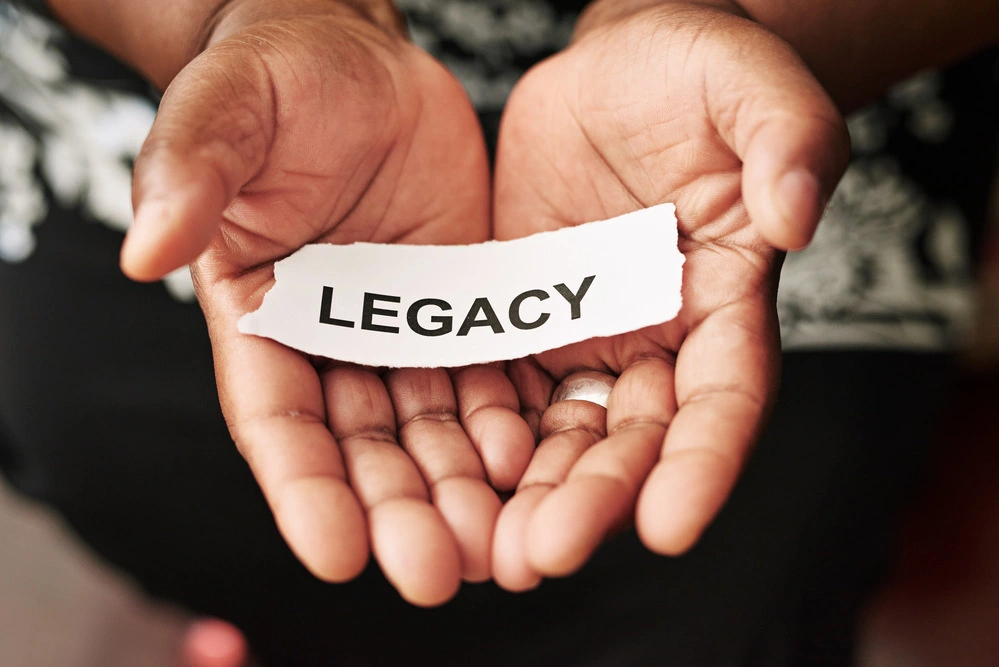
At the fifth and final level—Pinnacle—leadership transcends the individual. Professionals at this stage are recognized as industry icons or institutional cornerstones whose impact continues even after their departure. Their influence extends across networks, sectors, and generations. Pinnacle leaders not only build organizations but also create values and strategies that outlast their tenure.
Pinnacle leaders cultivate deep trust, demonstrate integrity, and exemplify excellence. They prioritize ethical practices, inclusion, and sustainable growth. Their mentorship ecosystems ensure that leadership pipelines remain strong. By establishing legacy institutions, processes, and philosophies, they transform personal success into collective advancement.
While reaching this stage requires time and resilience, its rewards are profound. Employees feel purpose-driven, companies gain enduring stability, and industries benefit from visionary frameworks. These leaders do not manage—they inspire revolutions in thinking, culture, and innovation.
- Key objective: Sustain influence through legacy and mentorship.
- Common challenge: Maintaining authenticity while scaling influence.
- Path forward: Build institutional frameworks that reflect core values.
The Pinnacle stage underscores the long-term impact of value-driven leadership. These individuals inspire future leaders to think strategically, act ethically, and lead with humanity—qualities that define enduring success in every professional domain.
Applying the 5 Levels of Leadership in the Workplace
Understanding these 5 levels of leadership is only a starting point; applying them transforms career trajectories. Employers across industries—whether corporate, governmental, or nonprofit—prioritize leaders who exhibit relational intelligence, performance excellence, and people-centered strategies. The U.S. Bureau of Labor Statistics projects strong growth in managerial roles such as medical and health services managers, underscoring the long-term value of leadership development
Professionals can assess their leadership level through reflection and feedback mechanisms. Evaluating communication styles, coaching habits, and team outcomes reveals where growth opportunities exist. Human resources managers often use 360-degree review processes to measure not just performance metrics but influence quality—how consistently a leader elevates those around them.
| Leadership Level | Primary Focus | Core Skill | Common Indicator of Success |
|---|---|---|---|
| Position | Authority | Compliance Management | Meeting procedural goals |
| Permission | Relationships | Empathy & Communication | Team trust and engagement |
| Production | Results | Strategic Execution | KPIs consistently achieved |
| People Development | Growth | Mentorship | Promotion readiness among reports |
| Pinnacle | Legacy | Visionary Impact | Institutionalized leadership culture |
Organizations elevate success when they intentionally nurture leaders across all levels. Mentorship programs, continuing education, and leadership development frameworks reduce attrition and create unified cultures. As leaders model behaviors from higher levels, workforce motivation expands—fostering innovation and resilience across teams.

Developing Through the 5 Levels: Strategies for Career Progression
Career growth in leadership requires self-directed learning, mentorship engagement, and consistent feedback loops. Advancement across the levels depends more on mindset evolution than on tenure alone. Job seekers and professionals alike benefit from adopting deliberate strategies designed to expand influence beyond basic authority.
Invest in Emotional Intelligence (EI)
Empathy, adaptability, and self-awareness allow leaders to connect authentically across diverse teams.
Seek Cross-functional Experience
Exposure to different departments enhances problem-solving and collaborative decision-making abilities.
Pursue Continuing Education
Programs in strategic leadership, communication psychology, or conflict management deepen effectiveness.
Build Mentorship Networks
Both giving and receiving guidance accelerate learning and accountability.
Embrace Reflective Practice
Regular feedback sessions help identify blind spots and reinforce growth behaviors.
Employers increasingly evaluate leadership readiness as a hiring differentiator. Whether in healthcare, technology, or finance, managers who can communicate vision and develop people are seen as key drivers of organizational competitiveness. Professional advancement thus hinges on continuous refinement of these five leadership dimensions.
Why Leadership Levels Matter for Job Seekers
For job seekers aiming to transition into management or executive positions, articulating leadership philosophy through these five levels strengthens career narratives. Recruiters value candidates who demonstrate self-awareness regarding their leadership journey. For instance, applicants who describe progress from task delegation (Position) to mentoring peers (People Development) signal maturity and strategic value.
In federal, healthcare, and corporate hiring contexts alike, leadership competencies rank among the most sought-after qualities. The Office of Personnel Management identifies “Leading People,” “Building Coalitions,” and “Results-Driven” among the core executive competencies. These align directly with the mid to upper levels of the leadership model—underscoring that progressive leadership growth remains essential for public and private sector advancement.
When included in professional resumes or LinkedIn profiles, examples drawn from the leadership levels framework—such as mentoring new hires, optimizing cross-team collaboration, or steering culture change—demonstrate transformative rather than transactional management. This approach signals readiness for senior responsibility and adaptability in dynamic industries.
The Continuous Evolution of Leadership in 2026
Leadership, like technology and industry trends, evolves continually. As artificial intelligence integration, remote collaboration, and cultural diversity reshape organizations, effective leaders increasingly operate across digital, interpersonal, and ethical dimensions. Modern leadership demands cross-cultural fluency, data-driven decision-making, and the ability to sustain empathy in virtual team environments.
Professionals navigating these rapid shifts must adjust their approach at every level of leadership. Position-based supervision alone cannot sustain engagement in hybrid workplaces. Instead, relational and developmental influence—central to Levels 2 through 4—ensures cohesion, trust, and performance continuity. Those who achieve Level 5 vision retention can embed resilience within the organization, enabling it to thrive amid constant disruption.
Emphasizing leadership agility thus future-proofs careers. As industries embrace automation and global collaboration models, soft skills and strategic influence increasingly distinguish top-tier performers from peers with similar technical expertise. Understanding and applying the 5 levels of leadership remains one of the most practical pathways to sustained career relevance.
Elevating Leadership and Career Trajectory
Advancing through the 5 levels of leadership transforms professionals into trusted visionaries capable of shaping industries and inspiring future generations. Those who internalize these principles enhance their leadership brand and strengthen organizational performance simultaneously. Building such credibility starts with presenting a career narrative rooted in strategic growth—supported by metrics, influence, and mentorship. Professionals seeking measurable progression often invest in professional resume writing services that highlight leadership evolution and convey authentic executive presence.
Frequently Asked Questions
What are the 5 levels of leadership?
The 5 levels of leadership are Position, Permission, Production, People Development, and Pinnacle. Each represents a distinct stage of influence, beginning with authority based on title and culminating in legacy leadership, where individuals shape organizations and successors through empowerment, trust, and sustained results.
Why is understanding leadership levels important for career growth?
Recognizing the 5 levels of leadership helps professionals evaluate where their influence currently lies and identify areas for improvement. This awareness supports better communication, stronger relationships, and more effective goal setting. Progressive mastery of these levels enhances employability and succession readiness.
How can leaders transition from Position to Permission level?
Leaders move from Position to Permission by earning trust and fostering authentic relationships. This involves demonstrating empathy, maintaining fairness, and communicating transparently. When employees respect the person rather than the title, voluntary cooperation replaces enforced compliance.
What industries benefit most from leadership development?
Leadership competencies are universally valuable, but industries like healthcare, information technology, education, finance, and government particularly emphasize them. In these fields, the ability to inspire teams, manage complexities, and sustain morale directly influences service outcomes and stakeholder trust.
Does leadership development contribute to organizational success?
Yes. Organizations that prioritize leadership development report higher retention, better profitability, and stronger team engagement. According to the Harvard Business Review, companies with structured leadership pipelines experience significantly faster growth and greater adaptability during transitions.