


Finding the right adjectives to describe yourself can feel like its own challenge. When you prepare for an interview, write a resume summary, or craft a LinkedIn headline, the descriptors you select often determine whether employers see you as qualified and memorable. If your language is weak or vague, you risk blending in instead of standing out.
By using strong, self‑descriptive words, you not only boost your confidence but also align with employer expectations and job requirements. This guide is designed to help you articulate your unique value—whether you’re just starting out or already leading at the executive level. You’ll explore categories of self‑descriptive words, see examples tailored to different career contexts, and learn how to use them strategically in your applications.
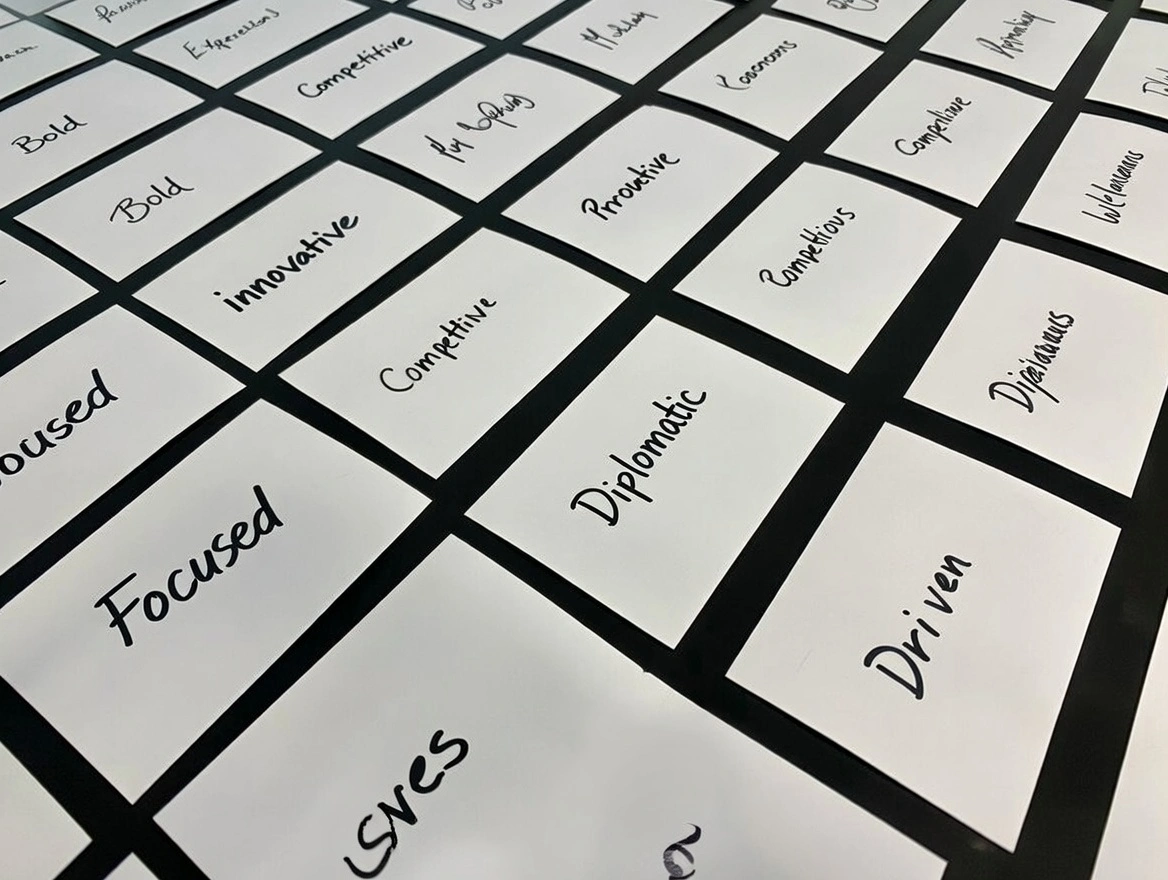
Why the Right Adjectives to Describe Yourself Matter
Language doesn’t just communicate—it shapes perception. In a competitive job market, the words you choose can determine whether employers see you as a standout candidate or just another résumé in the stack. Clear, powerful adjectives—analytical, dependable, results‑driven—help craft a professional identity that resonates across resumes, applications, and interviews. These words build the bridge between your achievements and employer expectations.
The Power of Strategic Self-Description
Using the right adjectives signals self‑awareness, confidence, and alignment with professional values. Recruiters and Applicant Tracking Systems (ATS) scan hundreds of resumes, so the right descriptors can make you more visible and memorable.
- Boost ATS Visibility: Keywords like adaptable, innovative, and collaborative boost your chances of being flagged as a strong match.
- Show Employer Alignment: Strategic language shows you understand the role and can meet specific business challenges.
- Strengthen Professional Branding: Adjectives reinforce your identity and help employers quickly grasp your strengths.
- Show Emotional Intelligence: Condensing complex traits into concise, relevant language demonstrates self‑awareness and maturity
- Signal Readiness: Clear self‑description positions you as a contributor prepared for both leadership and collaborative roles.
By mastering the skill of describing yourself strategically, you move beyond generic claims like “hardworking” or “team player.” Instead, you build a stronger brand with precise, impactful words that showcase both your competence and potential. This clarity allows organizations to envision your contribution before the interview even begins—boosting interest, strengthening your credibility, and increasing the likelihood of callbacks.
200+ Strong Adjectives to Describe Yourself Professionally
The following comprehensive list of more than 150 words helps professionals across industries express their value clearly. These descriptors can enhance a resume profile, elevator pitch, cover letter introduction, or interview response. Grouped by relevance, each word reinforces a positive characteristic that employers frequently seek.
Dependable Words
- Reliable
- Consistent
- Punctual
- Accountable
- Steady
- Disciplined
- Trustworthy
- Conscientious
- Organized
- Methodical
- Steadfast
- Unwavering
- Dutiful
- Committed
- Devoted
Analytical Words
- Logical
- Strategic
- Data-driven
- Quantitative
- Investigative
- Detail-oriented
- Systematic
- Insightful
- Results-oriented
- Evaluative
- Rational
- Discerning
- Precise
- Rigorous
- Inquisitive
Creative Words
- Innovative
- Imaginative
- Resourceful
- Inventive
- Artistic
- Visionary
- Adaptive
- Expressive
- Conceptual
- Transformative
- Groundbreaking
- Experimental
- Entrepreneurial
- Conceptual
Leadership Words
- Influential
- Decisive
- Motivational
- Empowering
- Visionary
- Proactive
- Confident
- Goal-oriented
- Diplomatic
- Resilient
- Inspiring
- Charismatic
- Mission-driven
- People-focused
- Growth-minded
- Purpose-driven
Interpersonal Words
- Empathetic
- Collaborative
- Supportive
- Approachable
- Respectful
- Communicative
- Listener
- Personable
- Tactful
- Trustworthy
Achievement-Oriented Words
- Ambitious
- Persistent
- Proactive
- High-performing
- Focused
- Determined
- Performance-driven
- Productive
- Impactful
- Goal-focused
Adaptability Words
- Flexible
- Resilient
- Agile
- Versatile
- Open-minded
- Quick-learning
- Solution-focused
- Poised
- Balanced
- Responsive
Ethical and Integrity Words
- Honest
- Transparent
- Principled
- Responsible
- Accountable
- Respectful
- Authentic
- Fair-minded
- Dedicated
- Loyal
Communication Words
- Articulate
- Persuasive
- Eloquent
- Expressive
- Clear
- Direct
- Confident
- Listener-oriented
- Concise
- Engaging
- Responsive
Innovation-Driven Words
- Trailblazing
- Inventive
- Experimental
- Forward-thinking
- Creative-minded
- Pioneering
- Idea-driven
- Evolutionary
- Entrepreneurial
- Change-oriented
- Catalyst
- Out-of-the-box thinker
Organizational Words
- Structured
- Systematic
- Orderly
- Process-driven
- Methodical
- Meticulous
- Dependable
- Time-conscious
- Thorough
- Keen
- Process-driven
- Task-oriented
- Multitasking
- Compliance-oriented
Emotional Intelligence Words
- Self-aware
- Composed
- Patient
- Compassionate
- Understanding
- Emotionally balanced
- Perceptive
- Considerate
- Empathetic
- Calming
Customer-Centered Words
- Service-oriented
- Attentive
- Responsive
- Proactive
- Problem-resolving
- Relationship-building
- Client-focused
- Courteous
- Quality-driven
- Caring
Technical Words
- Proficient
- Skilled
- Tech-savvy
- Analytical
- Systems-oriented
- Data-fluent
- Methodical
- Advanced
- Precise
- Adaptive
Team Collaboration Words
- Cooperative
- Engaging
- Participative
- Supportive
- Balanced
- Respectful
- Contributing
- Cross-functional
- Encouraging
- Inclusive
- Open-minded
- Synergistic
- Team-oriented
- Harmony-driven
Performance Words
- Productive
- Quality-focused
- Consistent
- Target-focused
- Revenue-generating
- KPI-driven
- Results-focused
- Time-conscious
- High-achieving
- Outcome-focused
- Tenacious
- Self-starting
These adjectives can be combined strategically. For example, “Adaptive and analytical professional with strong integrity” portrays balance between flexibility and professionalism—a rare but valuable mix in fast-paced corporate environments.
Tips for Choosing Words That Define Professional Strengths
Choosing effective words to describe oneself starts by understanding the distinct categories that employers value. Each group of descriptors conveys a different professional quality—from interpersonal aptitude to goal orientation. Knowing which category best aligns with career goals helps you frame your experiences convincingly and authentically.
| Category | Purpose / Usage |
|---|---|
| Interpersonal Words | Highlight teamwork, collaboration, empathy, and communication strengths. |
| Analytical Words | Show reasoning, technical, and problem-solving abilities essential in fields like finance, data, or engineering. |
| Creative Words | Emphasize innovation, design, adaptability, and originality—vital in marketing, education, and product development. |
| Leadership Words | Demonstrate authority, influence, decision-making, and strategic thinking for management-level positions. |
| Dependability Words | Reflect consistency, reliability, and accountability—important across all job tiers and industries. |
Each of these groups contributes to a professional’s story. For instance, a project manager could use leadership and analytical words to convey control and precision, while a healthcare provider might prefer compassionate or dependable descriptors that connect emotionally with patient care values.
Words to Describe Yourself in Different Professions
Different industries emphasize distinctive behaviors and skill sets. Therefore, selecting words aligned with sector expectations improves credibility and signaling. Below is a breakdown of common adjectives professionals may use, mapped to their occupational focus.
| Industry | Effective Descriptive Words |
|---|---|
| Healthcare | Compassionate, meticulous, patient-focused, ethical, reliable, detail-oriented. |
| Information Technology | Analytical, innovative, agile, security-minded, tech-savvy, systematic. |
| Finance & Accounting | Accurate, results-driven, precise, ethical, quantitative, strategic. |
| Education | Empathetic, engaging, inspiring, organized, observant, communicative. |
| Engineering | Analytical, problem-solving, methodical, innovative, logical, measurable. |
| Marketing & Communications | Creative, persuasive, expressive, data-driven, adaptable, collaborative. |
| Administrative Services | Dependable, efficient, detail-oriented, courteous, organized, multi-tasking. |
| Federal and Public Sector | Accountable, mission-oriented, principled, compliant, transparent, respectful. |
When you choose targeted words, you instantly project authority. Federal employers see your commitment to official standards, while healthcare organizations recognize your patient‑first ethics. Industry‑specific language becomes your credibility badge—it tells recruiters you understand the workflow, the culture, and the expectations. Those signals often tip the scales, putting your name on the shortlist and your résumé at the top of the interview pile.
Examples of How to Use Adjectives to Describe Yourself in Context
Knowing what to say is one thing, but positioning these words effectively can make the difference between sounding authentic or over-rehearsed. The following examples demonstrate how professionals can integrate descriptive words naturally into resumes, LinkedIn profiles, and interview responses.
1. Resume Summary Example
“Results-oriented marketing strategist known for creating data-driven campaigns that elevate brand visibility and revenue growth.”
2. Cover Letter Opening
“As a dedicated and adaptable cybersecurity professional, this candidate brings both analytical precision and innovative thinking to organizational security strategies.”
3. Interview Response (Tell Me About Yourself)
“A collaborative and goal-driven engineer with a proven record in leading cross-functional teams through complex design solutions.”
4. LinkedIn Headline
“Analytical Financial Analyst | Data-Driven Thinker | Dedicated to Driving Forecast Accuracy and Business Growth.”
5. Performance Review Statement
“Consistently demonstrates dependable project leadership and open communication, ensuring clear expectations and on-time execution.”
Each example uses targeted descriptors that match the professional setting. Overusing adjectives may weaken credibility but selecting two or three precise words creates power and conciseness. These words guide hiring managers toward your strongest competencies while reinforcing the narrative of your career progress.
Descriptive Phrases for Interviews

Beyond resumes, interviews remain the most powerful stage for showcasing professional descriptors. Hiring managers regularly ask versions of “Describe yourself” or “How would your coworkers describe you?” Your response is where descriptors become more than words—they become proof.
When you walk in prepared with sharp adjectives backed by real examples, you come across as grounded, confident, and authentic. The right phrasing cuts through redundancy and delivers maximum impact, leaving no doubt about the value you bring to the table.
Below are sample phrasing structures job seekers can adapt during interviews:
- “Colleagues often recognize this professional as reliable and proactive, especially when coordinating multiple projects under deadlines.”
- “Known as an analytical thinker, consistently identifying solutions that save both time and resources without compromising quality.”
- “Considered collaborative and motivational, ensuring every team member feels valued while maintaining high productivity levels.”
- “As a detail-oriented professional, ensures operational accuracy and process consistency across projects.”
This strategy works because it pairs adjectives with evidence. Instead of sounding like opinion, your self‑description becomes proof—showing you as both credible and self‑aware. Recruiters respond to authenticity backed by tangible examples, and when you deliver that consistently, you leave a lasting impression. Those answers build trust, demonstrate performance, and often become the deciding factor in whether you move forward in the hiring process.
Elevating Applications with Strategic Word Placement
Placement within application documents affects visibility and perception. The words you choose to describe your character should appear in the most critical sections—your summary, professional experience, and key strengths. But here’s the catch: outcomes matter more than personality claims.
1. Resume Summary
Include up to three adjectives that directly reinforce job alignment. Example: “Organized, analytical, and results-oriented finance professional.”
2. Experience Section
Support adjectives with performance metrics like “Introduced data-driven practices that improved accuracy by 15%.”
3. Skills Section
Integrate transferable traits, e.g., “communication,” “leadership,” or “strategic thinking.”
4. Cover Letter Closing
Reaffirm adjectives expressing readiness and enthusiasm—such as “dedicated and solutions-focused, eager to contribute.”
When you frame descriptors around results, you turn adjectives into proof. Recruiters are far more convinced by evidence—projects delivered, goals achieved, teams led—than by adjectives standing alone. The right placement ensures your strongest qualities don’t just sound good; they show up as measurable impact
Optimized across your resume and profiles, these descriptors become part of your professional DNA. ATS systems reward resumes where personality traits blend seamlessly with achievements, boosting your ranking and pulling recruiters deeper into your story.
Strategic Tips for Using This List Effectively
Choosing the right adjectives is only part of the process. The success depends on when and how these words are applied. Strategic placement across resumes, interviews, and online profiles amplifies candidate visibility through both human and AI recruiting systems. The following best practices guide professionals toward effective utilization.
1. Integrate naturally within accomplishments
Pair adjectives with measurable results rather than standalone claims. Example: “Dependable manager who reduced turnover by 30% by improving communication channels.”
2. Align with job description terminology
Identify repeating adjectives in vacancy postings and match them authentically within your professional narrative.
3. Use moderation
Overloading sentences with adjectives weakens meaning. A balance between factual achievements and personal traits ensures credibility.
4. Reflect self-awareness
Avoid cliché descriptors unless supported by evidence. Instead of “hardworking,” demonstrate it through “consistently exceeded performance metrics through planning and focus.”
5. Adapt by platform
Use concise descriptions on resumes (e.g., “innovative data analyst”), but expand contextually in interviews or networking introductions to showcase resonance and maturity.
Applying descriptive language strategically conveys both competence and emotional intelligence. It transforms what might otherwise be a generic introduction into a professional brand narrative that appeals to modern hiring patterns, both human and AI-driven.
Transforming Self-Descriptions into a Personal Brand
Consistency is the backbone of your professional brand. The descriptors you use in your resume should echo across LinkedIn, cover letters, interviews, and even personal websites. If your language shifts from one platform to another, recruiters may read it as uncertainty—or worse, a misaligned identity. When your vocabulary stays consistent, you reinforce a professional image that employers can trust.
1. Build Your Brand on Three Pillars
To create a reliable personal brand, consider these three critical elements:
- Self-Perception: How you define your strengths and values.
- Occupational Demand: The skills and qualities your industry expects.
- Public Feedback: How colleagues, managers, and recruiters describe your contributions.
When these align, you project reliability, leadership, and adaptability. Structured keywords become your toolkit—especially in AI‑driven screening systems like Google’s AI Overviews and LinkedIn’s People Search.
2. Align Your Words with Organization Values
You can sharpen your brand by studying job postings, company mission statements, and performance evaluations. Look for recurring values and mirror them in your descriptors.
- High‑intensity roles (tech, operations): Strategic, responsive, efficient
- Service‑driven roles (customer care, healthcare): Compassionate, communicative, dependable
This alignment shows recruiters you’re tuned into what matters most to the organization.
When you maintain consistency, your self‑descriptive words evolve into a mini tagline of trustworthiness. They don’t just impress recruiters—they build visibility, credibility, and long‑term career momentum.

Standing Out Starts with Language That Delivers
Authentic, well‑chosen words can flip your brand from ordinary to unforgettable. When you strengthen that message through an optimized resume, recruiters spot your fit in seconds. Don’t settle for blending in—elevate your results faster with professional resume writing help that aligns measurable outcomes with powerful language to to showcase your personality and skill.
Own your narrative. Sharpen your brand. Land the interview.
Frequently Asked Questions
What are the best words to describe yourself in an interview?
Strong words include adaptable, reliable, analytical, innovative, and collaborative. They align with core competencies most employers value and convey emotional intelligence when paired with real-world examples.
How many adjectives should a resume summary include?
Limiting a resume summary to two or three impactful adjectives ensures clarity. For example, “organized, innovative, and goal-driven professional” achieves focus without redundancy.
Can descriptive words boost ATS ranking?
Yes. Applicant Tracking Systems detect relevant keywords. When job seekers integrate professional descriptors that mirror job postings, they increase visibility during initial resume screening.
What words should be avoided when describing yourself?
Generic or subjective words such as “nice,” “hardworking,” or “perfect” should be avoided. Recruiters prefer measurable descriptors like “dependable,” “strategic,” or “results-oriented,” which showcase evidence-based value.
Should the same descriptive words appear on LinkedIn?
Yes. Consistency across resumes, LinkedIn, and cover letters builds a trustworthy brand. It also strengthens SEO visibility within LinkedIn’s job search algorithms, leading to higher profile exposure.