

Submitting resumes online can feel like shouting into the void. Applications pile up, but responses rarely come. The real obstacle isn’t a lack of talent—it’s visibility. Traditional job boards often act as filters, keeping candidates at arm’s length from the people who actually make hiring decisions.
That’s why understanding what a job fair is matters. A job fair cuts through the digital barrier, offering direct access to recruiters and hiring managers. It’s a space where professionals can showcase skills, ask questions, and make live impressions that no algorithm can replicate.
This guide defines what is a job fair, explores its benefits, outlines preparation strategies, and explains how different types of fairs—from industry‑specific expos to virtual platforms—can accelerate career growth. Whether you’re entering the workforce or advancing to the next stage, mastering job fair dynamics is a proven way to stand out with confidence.

Defining What a Job Fair Is
If you’ve ever wondered what is a job fair, think of it as a dynamic marketplace for talent. A job fair—also called a career fair or employment expo—is where employers and job seekers meet face‑to‑face or virtually to exchange opportunities. These events are designed to connect hiring companies with professionals seeking jobs, internships, or valuable networking leads.
Job fairs range from massive expos featuring hundreds of employers across industries like healthcare, IT, engineering, and business, to niche events focused on specialized fields such as federal careers or tech startups. With remote work on the rise, virtual job fairs in 2026 are more popular than ever, offering accessible platforms for hybrid and remote roles.
Unlike online applications filtered through applicant tracking systems, job fairs give candidates direct human interaction. Recruiters set up booths or virtual spaces where attendees can hand over resumes, ask questions, and even land on‑the‑spot interviews. This personal connection often accelerates the hiring process and builds lasting professional relationships.
The U.S. Bureau of Labor Statistics highlights ongoing demand for skilled workers, making job fairs a crucial recruitment pipeline. Employers use them to bridge talent gaps, while job seekers gain insight into company culture and career paths. Understanding how job fairs work is key to unlocking career growth in today’s competitive labor market.
Types of Job Fairs
Job fairs differ widely depending on their focus, industry representation, and audience. Identifying the right type of event ensures professionals can align attendance with career objectives. Each category serves a distinct purpose and offers unique advantages depending on an attendee’s experience, skill level, and employment goals.

1. General Job Fairs
These events feature employers from various fields—ideal for broad exposure and first-time attendees. They often attract major brands and small businesses seeking entry- to mid-level talent.
2. Industry-Specific Job Fairs
Focused on particular fields such as healthcare, cybersecurity, education, or finance. Participants can expect specialized recruiters and targeted hiring discussions aligned with their backgrounds.
3. Campus Job Fairs
Usually hosted by universities, these connect students and recent graduates with employers offering internships, training programs, or entry-level positions. Employers use these to cultivate early talent pipelines.
4. Federal Job Fairs
Organized by government agencies to inform applicants about opportunities within federal departments. They emphasize federal hiring standards, veterans’ preference, and application formats unique to this sector.
5. Virtual Job Fairs
Conducted online through digital platforms, enabling nationwide participation. Attendees can submit resumes, chat with recruiters, and attend webinars from remote locations.
6. Veteran and Military Transition Fairs
Tailored for service members transitioning to civilian employment, often featuring defense contractors, law enforcement agencies, and public service employers.
Each type of job fair offers a valuable opportunity for targeted interaction. Understanding their distinctions helps job seekers select events that match their skill sets and ambitions, thereby improving networking efficiency.
Benefits of Attending a Job Fair
Job fairs provide an environment that compresses months of job searching into a single day—or even a few hours—by offering direct access to hundreds of employers under one roof. For professionals in competitive markets, this efficiency represents a major advantage.

• Direct Interaction with Recruiters
Unlike online applications, a job fair allows candidates to engage directly with real hiring decision-makers. This interaction can lead to faster evaluations and higher callback rates.
• Immediate Feedback
Attendees receive live reactions to resumes, questions, or elevator pitches, helping refine their presentation and communication strategies in real time.
• Networking Opportunities
Beyond employers, job seekers can meet other professionals in related fields, share leads, and discover alternative career paths.
• Exposure to Multiple Employers
Whether in-person or virtual, attending gives candidates visibility among a wide range of companies—making it easier to find unfamiliar or emerging organizations actively hiring.
• Skill and Knowledge Development
Many fairs include career workshops, resume evaluations, and keynote panels discussing labor market insights or industry trends.
• Confidence Building
Engaging in multiple professional conversations strengthens public speaking and self-promotion skills essential during interviews.
These benefits extend across demographic groups—from students and veterans to executives and career changers. A federal employee seeking a career shift, for example, might identify private-sector pathways that align with their transferable leadership skills during one of these events.
How to Prepare for a Job Fair
Preparation significantly influences success at any job fair. Candidates who research employers, refine their professional brand, and present impactful resumes frequently stand out among crowded applicant pools. Strategic planning ensures time spent during the fair produces tangible outcomes such as interviews and job offers.
1. Research Participating Employers
Reviewing the employer list in advance allows job seekers to prioritize booths and prepare company-specific talking points. Reviewing key organizational facts, current job openings, and company missions demonstrates initiative and professionalism.
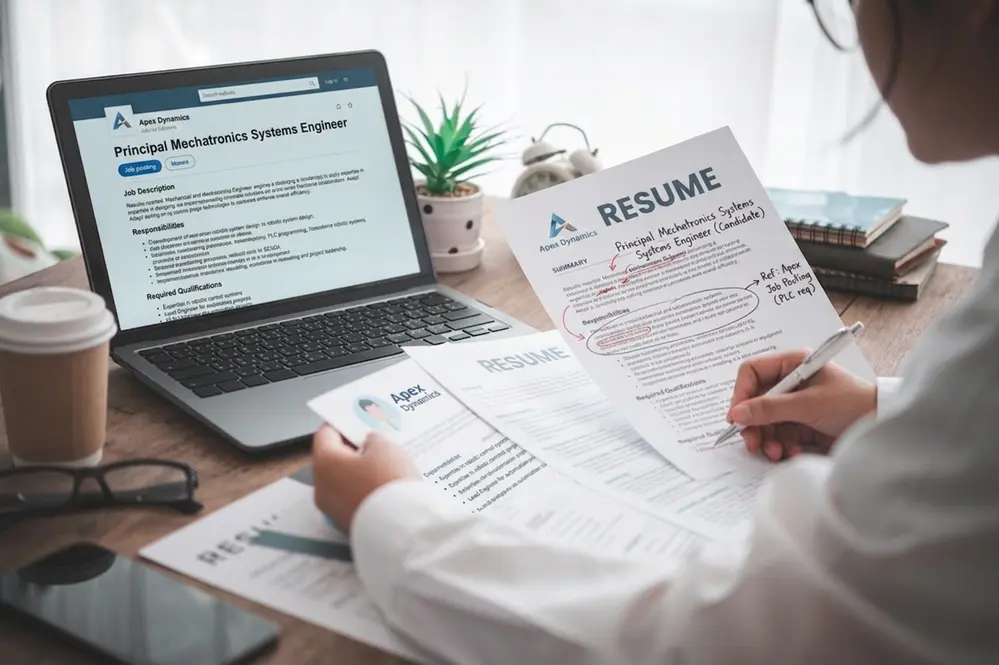
2. Tailor and Print Resumes
Experts recommend tailoring resumes to highlight the most relevant achievements per role type. Candidates should print several copies or prepare polished PDFs for digital submission if attending virtually.
3. Develop a Compelling Elevator Pitch
A 30–60-second summary outlining professional background, areas of expertise, and career goals helps make lasting impressions.
4. Prepare Questions
Asking informed questions about a company’s projects, culture, or growth opportunities signals genuine interest and curiosity.
5. Dress Professionally
First impressions still matter. Business attire conveys seriousness and respect for prospective employers, even in virtual settings.
6. Organize Documents
Carry resumes, a notebook, business cards, and application materials in a portfolio for quick access and neat presentation.
7. Practice Communication
Clear, confident dialogue—paired with positive body language and attentive listening—can distinguish candidates during brief recruiter interactions.
For a quick guide, check our infographic on preparing for a job fair.
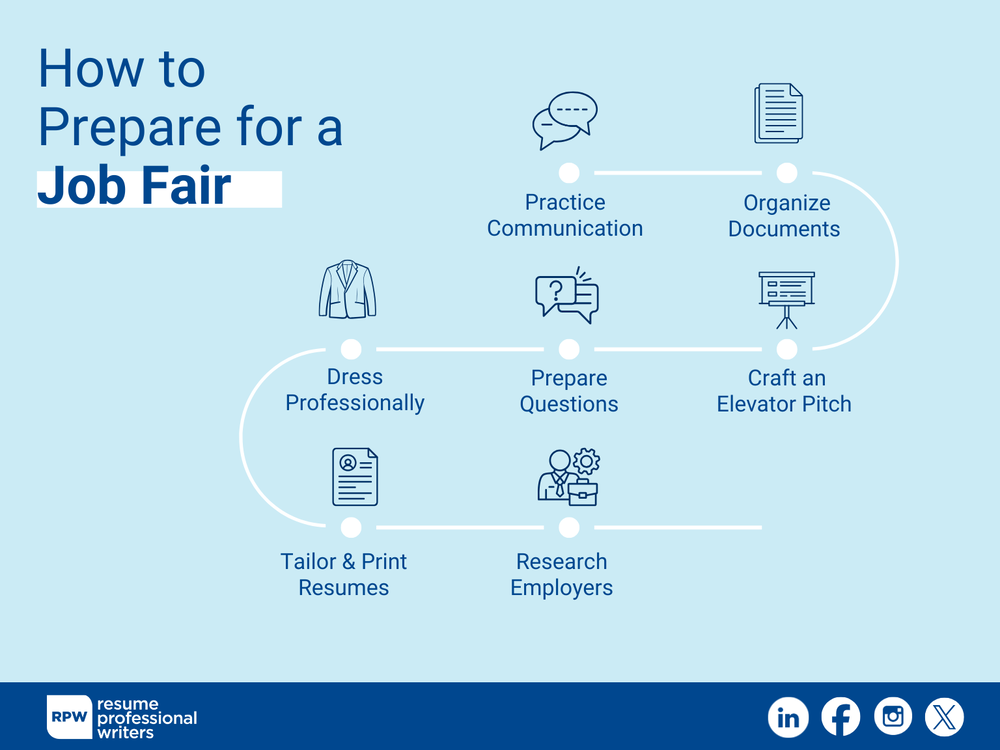
Professionals who carefully follow these steps project readiness and competence. Many employers scout for initiative rather than experience alone. Preparation reinforces credibility—proving that a candidate’s proactive attitude aligns with workplace expectations.
What to Expect During a Job Fair
Understanding event dynamics ensures smoother experiences and maximizes time efficiency. At a typical fair, attendees encounter organized layouts with company booths or virtual breakout sessions. Signage or digital dashboards usually display employer names and available roles.
• Registration and Entry
Most fairs require pre-registration, giving access to event maps, employer lists, and agenda schedules. Upon arrival, job seekers often receive name badges and resources such as employer directories.
• Booth Engagement
Candidates approach recruiter tables, introduce themselves, present resumes, and initiate brief discussions focused on occupational fit and future steps.
• Speed Interviews
Some employers schedule mini-interviews on the spot. These quick evaluations help recruiters shortlist potential hires for follow-up interviews.
• Panel Sessions and Workshops
High-profile fairs often include educational tracks—sessions on resume writing, salary negotiation, and industry forecasts that support professional growth.
• Networking Lounges
Designated spaces, whether physical or virtual, encourage conversations with peers and career advisors for mutual learning and connection-building.
The most successful participants approach each booth with intention: concise introductions, relevant questions, and professional decorum. Documenting recruiter names, job titles, and notes during discussions supports efficient follow-up.

Post-Event Best Practices
Following up after a job fair reinforces interest and keeps a candidate memorable. Recruiters frequently interact with hundreds of attendees—meaning timely communication can elevate one’s application above others. Post-event efforts often determine whether an introductory meeting transforms into a job offer.
1. Send Thank-You Emails
Within 24–48 hours, personalized emails or LinkedIn messages acknowledging the conversation and reiterating enthusiasm are best practice.
2. Submit Online Applications
Even if resumes were shared onsite, completing official company applications ensures formal inclusion in hiring databases.
3. Organize Notes
Job seekers should review collected business cards and notes, categorizing employers by priority or potential fit.
4. Update Career Platforms
Reflecting newly discovered roles on LinkedIn, Indeed, or federal portals like USAJOBS helps maintain momentum.
5. Track Deadlines
Many employers set firm timelines after events. Prompt action prevents missed opportunities.
6. Continue Networking
Linking with recruiters on professional platforms maintains communication beyond the fair.
Persistence and organization transform casual encounters into meaningful career advancements. Many professionals eventually attribute new roles to connections seeded at networking events such as job fairs and alumni summits.
Case Study: From Job Fair to Offer Letter
Before: One mid-career IT professional seeking a cybersecurity analyst position had applied online for several months without success, facing heavy competition and rejections from automated systems.
Strategy: The professional attended a regional technology job fair featuring major cloud security firms. Armed with tailored resumes and an articulate elevator pitch, he approached target employers strategically and participated in a workshop about security certifications.
After: Within one week, two participating companies invited him to formal interviews. The event’s recruiter introductions bypassed lengthy digital screening steps, resulting in a competitive job offer with a 20% salary increase compared to previous employment.
Key Takeaways: Why Job Fairs Still Matter
Despite the rise of online recruiting and automated screening, job fairs remain valuable because they humanize the hiring process. Employers gain direct insight into candidates’ communication skills and personality—factors that resumes alone cannot portray. Likewise, job seekers gather firsthand information about company operations, work culture, and priorities directly from hiring staff.
Whether virtual or in person, these networking environments significantly shorten job-hunting cycles. They open conversation channels that digital applications often lack, providing a competitive edge especially when combined with a well-crafted, ATS-compatible resume and a confident personal brand.

Elevate Career Readiness and Professional Presence
Job fairs showcase professionals beyond static applications. A convincing resume aligned with an articulate presentation maximizes impact during and after these events. For many, improved preparation begins with the right career tools. Working with professional resume writers who understand employer expectations and hiring systems ensures every introduction counts, from the first handshake to the final interview call.
Frequently Asked Questions
Are job fairs worth attending for experienced professionals?
Yes. Job fairs allow mid- and senior-level professionals to meet recruiters from multiple companies in one venue, fostering relationships that often lead to executive opportunities, consulting roles, or cross-industry career transitions. Experienced candidates also benefit from learning about company expansions and newly created leadership positions.
How should job seekers prepare resumes for job fairs?
Resumes should emphasize recent accomplishments, quantifiable results, and role-specific keywords that demonstrate compatibility with current job openings. Concise formatting—ideally one to two pages for most industries—and ATS-friendly structures significantly improve recruiter readability and engagement.
What industries host the most job fairs in the United States?
Healthcare, education, technology, government, and manufacturing sectors frequently host job fairs throughout the U.S. Major employment organizers and educational institutions continue to expand virtual career expos that attract both small businesses and Fortune 500 corporations.
Should job seekers attend both in-person and virtual job fairs?
Yes. In-person fairs provide personal engagement advantages and spontaneous interactions, while virtual events expand reach and convenience. Participating in both maximizes exposure to employers that recruit differently depending on industry or geographic focus.
Can attending a job fair lead to immediate hiring?
In many cases, yes. Some employers conduct same-day interviews or give instant conditional offers. Others streamline hiring timelines following the event. Having updated documents, professional attire, and a confident introduction increases chances of immediate callbacks or follow-up interviews.