


Career routines often feel like Groundhog Day—predictable, repetitive, and begging for change. Just like Punxsutawney Phil’s shadow, professionals look for signs it’s time to shift, grow, or redefine their path.
So, how does Groundhog Day work? This quick guide breaks down how Groundhog Day works—its origins, meaning, meteorological significance, cultural impact, and the fascinating event logistics that keep the tradition alive. Whether you’re curious about the folklore or using it as a metaphor for career change, Groundhog Day remains a timeless reminder of renewal and possibility.
Historical Origins of Groundhog Day
The tradition of Groundhog Day didn’t start in the United States—it traces back centuries to Europe. What began as folklore evolved into one of America’s most iconic cultural rituals. The tradition evolved from the European festival of Candlemas—a Christian observance marking the midpoint between the winter solstice and the spring equinox. On Candlemas, people watched animal behavior, particularly that of the hedgehog or badger, to forecast the arrival of spring.
Timeline of Origins:
- 1700s – German Immigration to Pennsylvania: German settlers brought Candlemas traditions to to Pennsylvania, substituting the groundhog—an animal native to North America—for the original European species. With a strong German-American population, the custom thrived, blending local culture with weather observation practices.
- Late 1800s – Punxsutawney Groundhog Club: The first official celebration took place in Punxsutawney, Pennsylvania. Local enthusiasts formalized the ritual of watching the groundhog emerge each February 2.
- 20th Century – National Spotlight: Media coverage transformed the event from a local curiosity into a national spectacle. Thousands now gather annually, with Punxsutawney Phil at the center of attention.
At its core, how Groundhog Day works reflects humanity’s timeless effort to read nature’s signs. For agricultural societies, predicting seasonal shifts meant survival. Folklore offered reassurance when science was limited, and today, the tradition endures as a symbol of community, curiosity, and our fascination with cycles of renewal.
The Groundhog and Its Meteorological Role
Groundhogs (scientifically known as Marmota monax) are burrowing marmots native to North America. Their natural hibernation cycle provides the foundation of this custom. Each winter, they retreat underground to conserve energy, only to stir again in early February—perfectly timed with the age‑old question: How much longer will winter last?
Folklore provides the answer through the groundhog’s behavior:
- Shadow spotted: If the groundhog emerges and sees its shadow due to clear skies, it retreats to its burrow—interpreted as six more weeks of winter.
- No shadow: If clouds obscure the sun and no shadow appears, folklore dictates that spring will arrive early.
Though meteorologists emphasize that this prediction has no empirical basis, it carries great symbolic weight within seasonal folklore and community spirit. Communities embrace the spectacle not for precision but for its cultural resonance.
The U.S. National Climatic Data Center has tracked Phil’s forecasts against real weather data, finding an accuracy rate of only about 40%—lower than chance. Yet this statistic does little to dampen enthusiasm.
The enduring appeal of how does Groundhog Day work lies in its narrative: humanity’s timeless desire to interpret nature’s cues, to find meaning in seasonal cycles, and to celebrate community traditions even in an age of advanced forecasting. It’s less about science and more about storytelling, curiosity, and the joy of renewal.

Punxsutawney Phil: The Icon of Groundhog Day
No figure embodies the tradition more than Punxsutawney Phil, the legendary groundhog celebrated each year at Gobbler’s Knob in Pennsylvania. Local lore insists there has only ever been one Phil, kept alive by a mythical elixir served by the Inner Circle—a humorous claim that reinforces the mystique surrounding the celebration. The Inner Circle, dressed in top hats and tuxedos, are the caretakers of Phil and the orchestrators of the ceremony.
Before dawn on February 2, thousands gather to witness Phil’s emergence. His forecast—six more weeks of winter or an early spring—is delivered in “Groundhogese,” a whimsical language spoken by the Inner Circle. The event blends pageantry, live entertainment, and national media coverage, amplifying its festive atmosphere.
Key Roles of Punxsutawney Phil:
- Cultural Symbol: Represents continuity, tradition, and community pride.
- Folklore Messenger: Delivers predictions in a ritual steeped in humor and storytelling.
- Media Icon: Draws national attention, tourism, and economic boosts for Punxsutawney.
- Mascot Leader: Inspires regional counterparts like Staten Island Chuck (NY) and General Beauregard Lee (GA), reinforcing local identity within a national tradition.
Despite its humorous tone, the Punxsutawney celebration reflects deep community pride and continuity. The town has become synonymous with Groundhog Day, showing that how does Groundhog Day work is not about scientific accuracy but about community, folklore, and the joy of shared ritual.
How Does Groundhog Day Work: The Science Behind the Folklore
Groundhog Day may thrive as folklore, but its timing sparks curiosity about the intersection of tradition and science. Meteorologists rely on climate models, atmospheric data, and satellite imaging—not animal behavior—to forecast weather. Yet the ritual aligns with a natural phenomenon: the mid‑winter turning point, when daylight begins to noticeably lengthen in the Northern Hemisphere.
Groundhogs stirring in early February are responding to biological cues tied to light and temperature shifts. These rhythms reflect genuine seasonal change, but they don’t predict long‑term weather patterns. That’s why the folklore remains symbolic rather than scientific.
Scientific Insights Behind How Groundhog Day Works:
- Seasonal Cues: Increasing daylight triggers hibernating animals to wake.
- Biological Rhythms: Groundhogs emerge naturally, not because they “forecast” weather.
- Accuracy Check: Studies show Phil’s predictions are correct only about 40% of the time.
Still, the tradition endures because it speaks to something deeper: humanity’s fascination with predicting nature. Just as professionals use analytics to anticipate career trends, communities once relied on folklore to guide farming and survival. Groundhog Day bridges logic and lore, reminding us that even in a tech‑driven age, cultural rituals keep us connected to ancestral ways of interpreting the seasons.
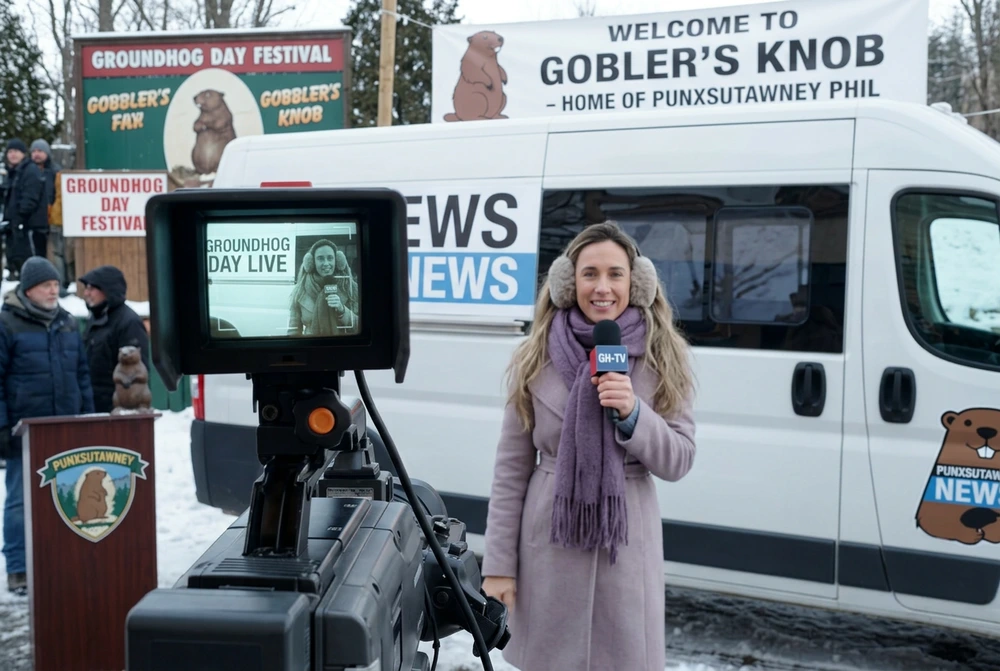
Modern Celebrations and Media Influence
Once a small-town ritual in Punxsutawney, Groundhog Day has evolved into a spectacle shaped by modern forces. What began as a local folklore tradition now resonates globally, amplified by technology, pop culture, and creative community engagement.
Modern Forces Shaping Groundhog Day:
- Media Amplification: Digital broadcasts, live streams, and international coverage have transformed the ceremony into a cultural phenomenon. Television networks and social platforms host live events, meteorologist interviews, and interactive polls, proving that folklore thrives when paired with technology.
- Pop Culture Boost: The holiday’s visibility skyrocketed in 1993 with the release of Groundhog Day, the Bill Murray comedy that redefined the phrase as a metaphor for monotony and self‑improvement. The film’s philosophical take on repetition mirrors the cyclical rhythms of nature celebrated in the real event. Since then, Punxsutawney has seen surges in tourism, drawing tens of thousands of visitors each year.
- Cultural Adaptability: : Businesses and municipalities keep the tradition alive by weaving it into modern campaigns—whether through themed promotions, community festivals, or playful branding. These efforts ensure Groundhog Day remains not just a quirky forecast but a flexible cultural touchstone that adapts to changing times.
Groundhog Day endures because it blends folklore with modern engagement. It reminds communities—and professionals navigating repetitive cycles—that resilience and renewal often emerge from tradition, humor, and shared experience.
Economics and Community Impact of Groundhog Day
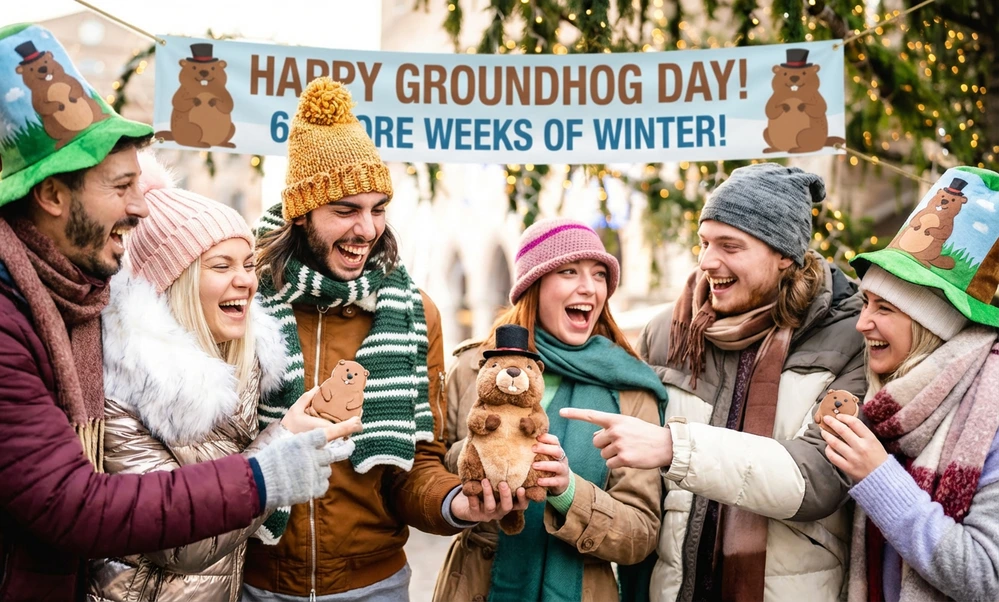
Groundhog Day is more than folklore—it’s an economic engine and a source of civic pride. Each February, Punxsutawney transforms into a hub of tourism and tradition, showing how does Groundhog Day work not only as a seasonal ritual but as a driver of local growth.
Thousands of visitors flock to Gobbler’s Knob, fueling hotels, restaurants, and event services. According to Visit Pennsylvania tourism data, the celebration generates millions in economic activity, sustaining small businesses and reinforcing community identity. For towns with limited year‑round exposure, this seasonal spotlight provides vital revenue and brand recognition.
The Lasting Impact of Groundhog Day:
- Economic Catalyst: Seasonal tourism boosts hospitality, retail, and local services, turning a single day of folklore into a regional economic engine. Hotels, restaurants, and shops thrive on the influx of visitors, showing how tradition can ripple outward into sustained local prosperity.
- Educational Engagement: Schools integrate folklore and hibernation science into lessons, bridging cultural heritage with scientific inquiry. This dual approach helps students see how stories and seasonal rituals connect to ecology, biology, and the rhythms of the natural world.
- Volunteerism & Planning: Months of preparation involve crowd safety, vendor licensing, and international press coordination. The event’s success depends on community collaboration, where volunteers, local officials, and organizers work together to balance tradition with modern logistical demands.
- Cultural Tourism Model: Groundhog Day serves as a blueprint for how communities can leverage heritage to strengthen regional sustainability. By transforming folklore into a landmark event, Punxsutawney demonstrates how cultural tourism fosters identity, resilience, and long-term visibility.
Ultimately, Groundhog Day functions as both folklore and framework: a predictor of seasonal change and a proven catalyst for civic pride, volunteerism, and public participation. By blending entertainment with historical preservation, communities illustrate how Groundhog Day works as a tradition that drives long‑term growth and resilience in small‑town America.
Symbolism and Cultural Meaning of Groundhog Day
Symbolically, Groundhog Day transcends its literal ritual. It represents humanity’s relationship with time, routine, and change. The act of waiting for a small creature to “decide” our seasonal fate captures collective anticipation, a pause in winter that bridges endurance with hope. Each February 2 invites reflection on cycles of progress, repetition, and renewal—much like professionals reevaluating career goals at the close of each fiscal year.
Folklorists see Groundhog Day as a celebration of liminality—the threshold between seasons. Psychologists interpret it as a metaphor for human behavior, where transformation often follows prolonged introspection. Just as Phil’s emergence sparks excitement, personal awakenings ignite forward momentum in life and career.
Symbolic Layers That Define the Tradition:
- Seasonal Thresholds: A ritual pause between winter’s austerity and spring’s abundance. Just as nature shifts, careers often move through lean phases before periods of growth. Recognizing these thresholds helps professionals pace themselves, prepare for opportunity, and embrace renewal.
- Psychological Reflection: A metaphor for persistence, introspection, and eventual change. Progress often requires enduring repetition—daily tasks, ongoing projects—until reflection sparks innovation. Like the groundhog’s emergence, advancement comes when persistence meets readiness for change.
- Cultural Continuity: Blends European heritage, indigenous environmental awareness, and American communal celebration. This also reflects how professionals build on diverse traditions. Career growth thrives when individuals honor past lessons, adapt to new contexts, and contribute to shared organizational culture, ensuring continuity and relevance.
- Human Desire for Certainty: Reflects our timeless need to predict, prepare, and find meaning amid uncertainty. Across religious and philosophical contexts, midwinter observances mark balance—between darkness and light, scarcity and renewal. Groundhog Day ties these motifs into a distinctly American narrative, showing how does Groundhog Day work as both folklore and universal commentary on resilience, transition, and hope.
Across religious and philosophical contexts, midwinter observances mark balance—between darkness and light, scarcity and renewal. Groundhog Day ties these motifs into a distinctly American narrative, showing how does Groundhog Day work as both folklore and universal commentary on resilience, transition, and hope.
Fun Facts About Groundhog Day
- Punxsutawney Phil’s fame: The groundhog has its own team of handlers known as the Inner Circle and a monument erected in Punxsutawney.
- Record crowd: Some years attract more than 40,000 spectators to Gobbler’s Knob, a testament to the event’s national allure.
- Alternative groundhogs: Staten Island Chuck in New York and Buckeye Chuck in Ohio also make similar weather predictions annually.
- Official recognition: The United States Congress declared February 2 as Groundhog Day in 2001, underscoring its cultural importance.
- Accuracy debate: Data compared by the National Weather Service often reveals Phil’s forecasts are about equally divided between six more weeks of winter and early spring.
Why the Tradition Still Matters
Even in an age of artificial intelligence-driven skills and forecasting models, Groundhog Day continues to hold social relevance. It underscores the value of ritual in building identity and cohesion. The blend of humor, anticipation, and collective participation allows communities to experience nature and culture simultaneously. These qualities sustain its longevity far beyond statistical accuracy, transforming a once-rural superstition into an annual nationwide observance of optimism and renewal.
Many professionals draw inspiration from such enduring customs as reminders to approach cycles of work and personal growth with patience. Just as winter eventually yields to spring, sustained effort and adaptability foster career progress. The message of Groundhog Day—hope through repetition—resonates profoundly across generations, industries, and professions seeking continuity amid change.

Embracing Renewal and Progress
At its heart, Groundhog Day offers a lesson on persistence and perspective—recognizing patterns and harnessing them toward improvement. Like nature’s cycles, careers demand periodic renewal and resilience. For those seeking meaningful advancement, investing in professional development tools can be the first step toward lasting transformation. Many professionals accelerate progress with professional resume writing help that strategically aligns achievements with evolving workplace expectations.
Frequently Asked Questions
When is Groundhog Day celebrated?
Groundhog Day is observed every year on February 2. The date is situated midway between the winter solstice and the spring equinox, symbolizing the seasonal transition and the anticipation of warmer weather.
Where is the most famous Groundhog Day celebration held?
The most widely recognized celebration takes place in Punxsutawney, Pennsylvania. Thousands gather at Gobbler’s Knob to witness Punxsutawney Phil’s annual weather prediction ceremony broadcast nationally.
How accurate are Punxsutawney Phil’s predictions?
Based on historical records from the National Centers for Environmental Information, Phil’s forecasts show about 40% accuracy, making them more symbolic than scientifically reliable indicators of future weather trends.
Why is the groundhog used instead of other animals?
German settlers brought the tradition of using animals to predict the seasons. In Pennsylvania, the groundhog was chosen because it was native, hibernated during winter, and was easily observable in local environments.
Is Groundhog Day a public holiday?
No, Groundhog Day is not a federal or state holiday. Schools, businesses, and government offices remain open, but communities celebrate with local events and regional observances nationwide.