


Many professionals struggle to stay motivated despite having clear goals and ambitious career plans. Whether the challenge involves meeting demanding performance targets, maintaining engagement in remote work, or balancing personal satisfaction with external expectations, understanding what drives action can make a significant difference. At its core, sustaining motivation requires more than willpower; it relies on creating and responding to the right kinds of incentives.
Career strategists and behavioral experts consistently highlight the importance of psychological frameworks such as incentive theory to explain why individuals seek certain rewards and how those rewards influence productivity. This principle applies to job seekers, managers, executives, students, and organizations aiming to inspire peak performance. The discussion ahead examines the essence of incentive theory, its applications in workplace motivation, and proven methods for leveraging its insights to enhance personal and professional outcomes.

Understanding Incentive Theory
Incentive theory posits that human behavior is largely guided by external rewards and stimuli rather than internal drives alone. Unlike theories that focus on innate needs or subconscious forces, incentive theory emphasizes that people act to attain desirable outcomes or to avoid negative ones. In professional settings, these outcomes often take the form of financial bonuses, recognition, promotions, or even non-material incentives such as flexible schedules or workplace autonomy.
This theory’s central idea rests on the notion of expectancies and reinforcements. Job seekers, for example, are motivated to improve their resumes and interview skills if they believe those actions will produce concrete results, such as securing employment or advancing their careers. By connecting specific behaviors with perceived benefits, incentive theory provides an actionable model for understanding workplace motivation.
Several disciplines use incentive-based explanations to interpret human decision-making. In business psychology, incentives are viewed as drivers for employee performance and engagement. In economics, they act as key levers regulating supply and demand in labor markets. Neuroscience research also supports this theory by showing that reward anticipation activates brain regions linked to motivation and pleasure. Whether the incentive involves monetary compensation or social recognition, the anticipation of reward often stimulates sustained effort toward goal achievement.
Types of Incentives That Influence Behavior
Incentives can be classified broadly into two categories: extrinsic and intrinsic. Both play crucial roles in determining how individuals perform and persist in their tasks across professional, academic, and personal domains. Effective management and HR strategies often aim to balance these two, ensuring alignment between organizational goals and individual motivation.

Combining both intrinsic and extrinsic incentives generates optimal motivation. Employees tend to remain engaged when their daily efforts produce not only material rewards but also meaningful progress aligned with their values. Forward-thinking organizations recognize this synergy and design incentive systems that strengthen both financial and emotional commitment to work.
How Incentive Theory Shapes Careers and Workplace Performance

Incentive theory shapes career choices, employee engagement, and talent retention strategies across industries. Skilled job seekers often leverage this understanding to align their goals with organizational structures that value performance and progression. Similarly, employers integrate incentive systems to cultivate loyalty and stimulate innovation within their teams.
Within corporate environments, structured incentive programs—such as tiered bonus systems, recognition awards, and professional development stipends—encourage ongoing performance improvement. Data from Gallup’s State of the Global Workplace report indicates that employees who receive regular acknowledgment of good work are over twice as likely to report strong engagement compared to those who do not. These findings affirm that well-targeted incentives reinforce desired behaviors more effectively than punitive measures alone.
Career development pathways are also heavily influenced by incentive dynamics. Ambitious professionals often seek environments where advancement and recognition correlate consistently with measurable effort. Conversely, organizations that lack transparent reward systems risk demotivating their workforce. Competitive markets, like those in technology, finance, and healthcare, illustrate the power of incentives by offering compensation packages that combine salary growth, performance rewards, and long-term benefits, such as equity shares or pension contributions.
The theory also helps explain behavioral shifts linked to modern work arrangements. Remote professionals, for instance, may rely less on visible praise or immediate feedback and more on structured goal-setting incentives. Flexible working hours paired with productivity bonuses or professional autonomy often substitute for traditional motivators. Similarly, federal employees might prioritize job stability and clear pay-grade progressions as incentive anchors that sustain effort despite bureaucratic constraints. Understanding these variations enables both employers and job seekers to optimize motivational strategies for each career context.
Practical Applications of Incentive Theory in Organizational Strategy
Organizations across the United States widely employ incentive-based frameworks to optimize performance management, recruitment, and employee experience. Data-driven HR systems rely on the logic of incentive theory to reward high performers, align actions with company objectives, and increase job satisfaction rates. These applications are evident across diverse sectors—from healthcare institutions rewarding efficiency and quality of care to technology firms celebrating innovation through equity plans or patent bonuses.
1. Performance Bonuses:
Many companies provide quarterly or annual performance bonuses to recognize measurable achievements such as exceeding sales targets, achieving project milestones, or reducing operational costs. These systems communicate a direct connection between effort and reward.
2. Recognition Programs
Public acknowledgment programs, including Employee of the Month or peer-nominated awards, create social incentives that promote internal motivation and reinforce positive workplace culture.
3. Professional Development Incentives
Tuition reimbursements, skill training programs, or paid certifications appeal to employees seeking self-improvement while contributing long-term value to their organization.
4. Work-Life Incentives:
Flexible scheduling, hybrid policies, and wellness programs serve as indirect motivators by satisfying employees’ non-monetary needs for balance and well-being.
5. Promotional Opportunities
Transparent career ladders allowing clear advancement paths sustain engagement by rewarding persistence and expertise accumulation.

Incentive theory also informs recruitment strategies. Companies often attract top candidates by highlighting performance-based recognition, structured promotion pipelines, and values-driven work cultures rather than relying solely on base salary. Similarly, executive compensation frequently incorporates long-term incentives—such as stock options and deferred bonuses—to reinforce organizational loyalty and strategic decision-making. When applied judiciously, incentives transform from short-term motivators into mechanisms for sustainable corporate growth.
The Science Behind Motivation and Incentive Response
Neuroscientific models of incentive theory demonstrate how external stimuli influence neurochemical pathways governing reward sensitivity and decision-making. When individuals anticipate rewards, the brain releases dopamine—an essential neurotransmitter for learning and motivation. This biological response explains why reward anticipation, not merely receipt, fuels persistent effort. Similarly, behavioral economics aligns with this understanding, illustrating how expectancy, perceived fairness, and reinforcement schedules shape motivation across different contexts.
Psychologists have further documented how certain incentive structures outperform others. For example, variable reinforcement schedules—where rewards occur unpredictably after desired behavior—can sustain motivation longer than fixed-interval rewards. In workplace settings, this principle manifests through surprise recognition events or spontaneous emotional rewards such as leadership praise. Employees perceiving such moments as genuine expressions of appreciation often display enhanced organizational commitment compared to those receiving predictable bonuses alone.
Recent economic studies also indicate that intrinsic reinforcement improves adaptive learning and innovation more effectively than external rewards alone. For instance, when employees’ psychological needs for autonomy, mastery, and relatedness are satisfied, they engage more deeply in complex problem-solving. This finding supports hybrid incentive models that integrate recognition, professional growth, and material rewards into a cohesive motivational ecosystem. Consequently, the science confirms what experienced HR strategists already apply: incentives function best when integrated into an authentic culture of purpose and acknowledgment.
Designing Effective Incentive Systems for Modern Workforces
Designing successful incentive systems requires precision, data awareness, and empathy for diverse employee motivations. A standardized reward system may appeal to one group while discouraging another. Therefore, the most effective structures account for individual goals, departmental objectives, and overall organizational mission. Transparent criteria and consistent measurement frameworks prevent bias and sustain trust—critical ingredients for sustained motivation under incentive theory principles.
Tailored incentive design contributes to sustained organizational success. Tech companies frequently deploy gamified performance dashboards that visualize progress and rewards. Healthcare providers integrate quality-of-care metrics tied to reimbursement bonuses. Educational institutions motivate teachers through research recognition or tenure incentives. Each example illustrates how incentive theory bridges individual contribution with institutional achievement through strategic, measurable motivation frameworks. The key lies in balancing tangible rewards with emotional acknowledgment to maintain authenticity and inclusion across the workforce.
Real-World Example: Incentives in Career Transitions
Consider a mid-career marketing professional seeking to transition into data analytics. The incentive to upskill and change direction comes from both extrinsic and intrinsic sources. Extrinsically, the analytics field promises higher earning potential and market demand. Intrinsically, the professional might find appeal in analytical problem-solving and data-driven creativity. The combination sustains motivation during a lengthy learning process.
Organizations that understand this incentive mix cultivate programs supporting such transitions internally. Offering certification reimbursements, rotational training, or mentorship incentives empowers employees to refresh career goals without leaving the company. As workforce trends evolve toward hybrid skills and interdisciplinary expertise, incentive-oriented learning programs help retain experienced talent while aligning workforce capabilities with emerging digital opportunities.
Federal organizations, similarly, employ incentive-based personnel systems that integrate professional growth, relocation benefits, and mission-driven engagement. These initiatives enhance agency efficiency while supporting the motivational balance needed to sustain commitment in long-serving staff. Each scenario reinforces incentive theory’s core insight: external structures, when thoughtfully applied, can amplify intrinsic purpose to yield enduring engagement.
Building a Reward-Driven Professional Mindset
For individual professionals, internalizing the principles of incentive theory can transform career growth strategies. Recognizing which rewards truly motivate personal performance allows job seekers and working professionals to select environments where values and rewards align. Those aware of their intrinsic motivators—such as learning, creativity, or social contribution—find more sustained success in roles that support these drivers, even when external rewards vary.
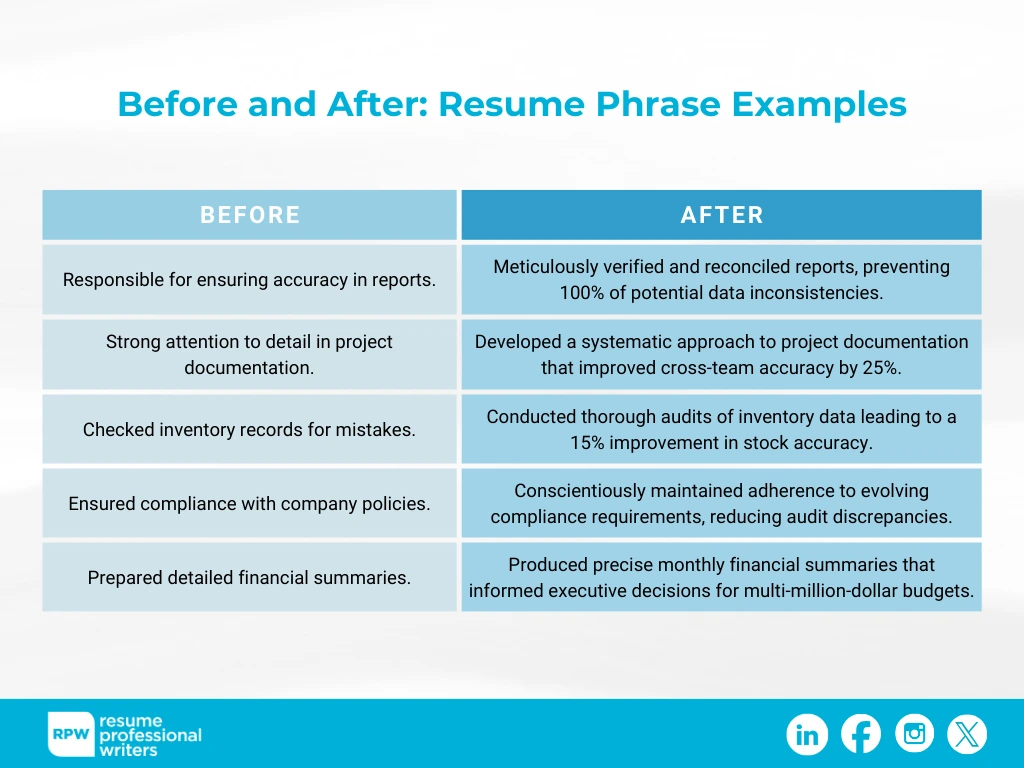
Candidates can also apply incentive-based thinking to their job search process. For example, setting measurable milestones (completing certifications, improving resume metrics, or expanding network connections) creates short-term rewards that sustain progress toward long-term employment goals. Furthermore, when resumes communicate measurable achievements—quantified results, awards, and recognitions—they activate external incentive perceptions among employers, strengthening the candidate’s positioning within competitive applicant pools.
Adopting this framework fosters mental resilience as well. By viewing setbacks as temporary deviations on the path toward meaningful incentives, professionals maintain a proactive mindset focused on learning and opportunity. Whether in career advancement, remote work productivity, or re-skilling initiatives, incentive-driven thinking aligns personal growth with market realities while reinforcing a practical understanding of motivation as a measurable, actionable force.

Motivation as a Career Growth Engine
Incentive theory offers far more than a model of behavior—it provides a strategy for aligning goals and rewards in every stage of professional advancement. By balancing intrinsic passion with external acknowledgment, job seekers and employers create environments where performance thrives naturally. Those who understand how incentives shape motivation can turn that awareness into tangible career advantages, whether through negotiation, self-development, or workplace leadership. Many professionals accelerate this growth through professional resume writing help tailored to highlight both achievements and potential value to future employers.
Frequently Asked Questions
What is the basic idea of incentive theory?
Incentive theory explains that behavior is driven by external rewards or the desire to obtain positive outcomes and avoid negative consequences. In workplace contexts, incentives like pay raises, recognition, or career advancement motivate employees to perform specific tasks more effectively.
How does incentive theory differ from drive theory?
Drive theory focuses on internal biological needs that prompt action, such as hunger or thirst, while incentive theory emphasizes external stimuli that pull behavior toward rewards. For instance, an employee may work overtime not from internal necessity but to earn a performance bonus.
Which industries rely most heavily on external incentives?
High-performance sectors such as sales, finance, and technology rely extensively on quantifiable external incentives, including commission-based pay and milestone bonuses. These reward frameworks directly link performance with monetary or recognition outcomes to sustain productivity.
Can incentives backfire if misapplied?
Yes. Poorly designed incentive systems can undermine intrinsic motivation, encourage short-termism, or create unhealthy competition. Effective incentive design ensures fairness, transparency, and consistency to maintain motivation without negative side effects such as burnout or distrust.
How can job seekers apply incentive theory during their job search?
Job seekers can use incentive principles by setting measurable goals and linking each target to meaningful rewards. Tracking achievements, enhancing resume performance metrics, and celebrating small wins can sustain motivation throughout the job search process.