

Most careers follow passion or skill—but some demand courage in the face of extreme risk. From brutal weather to unforgiving machinery, these workers face hazards few ever imagine.
For those considering high-risk trades, the choice isn’t just about pay or stability. It’s about resilience, purpose, and surviving in environments where safety is everything.
Based on global fatality data, this guide reveals the most dangerous jobs in the world and other roles that consistently top risk charts. Whether you’re a student, tradesperson, or career changer, it offers clear insight into the dangers—and the determination—that define these essential jobs.
Understanding What Makes a Job Dangerous
Occupational danger stems from a combination of environmental hazards, operational challenges, and psychological pressures. While all jobs carry some degree of risk, the most dangerous jobs in the world are defined by high fatality and injury rates, often tied to heavy equipment, grueling physical demands, isolation, or exposure to uncontrollable natural forces.
The U.S. Bureau of Labor Statistics (BLS), through its census of Fatal Occupational Injuries (CFOI), provides the clearest picture of workplace danger across industries. Key factors include:
- Fatality Frequency Rates: To assess danger accurately, safety analysts consider fatality frequency rates per 100,000 workers rather than total deaths alone. This normalizes comparison across professions of differing workforce sizes.
- Frequent Travel: Jobs that involve frequent travel or manual operations often post higher risk indexes due to the unpredictability of both the environment and human error.
- Safety Training and Infrastructure: Another deciding factor is the adequacy of safety training and infrastructure investments within an industry. Inadequate preparation or outdated systems leave workers vulnerable.
- Sector-Specific Risks: Workers in certain sectors—transportation, resource extraction, and construction—face elevated exposure to accidents and long-term injuries. Electrical shocks, falls from height, fires, and confined-space incidents exemplify recurring threats.
- Technological Limits: In recent years, technological enhancements such as autonomous monitoring and advanced protective gear have lowered but not eliminated the risks that define the most dangerous jobs worldwide.
Together, these factors explain why certain industries remain at the top of global risk indexes, shaping the reality of the most dangerous jobs in the world.
The World’s Most Dangerous Job Today
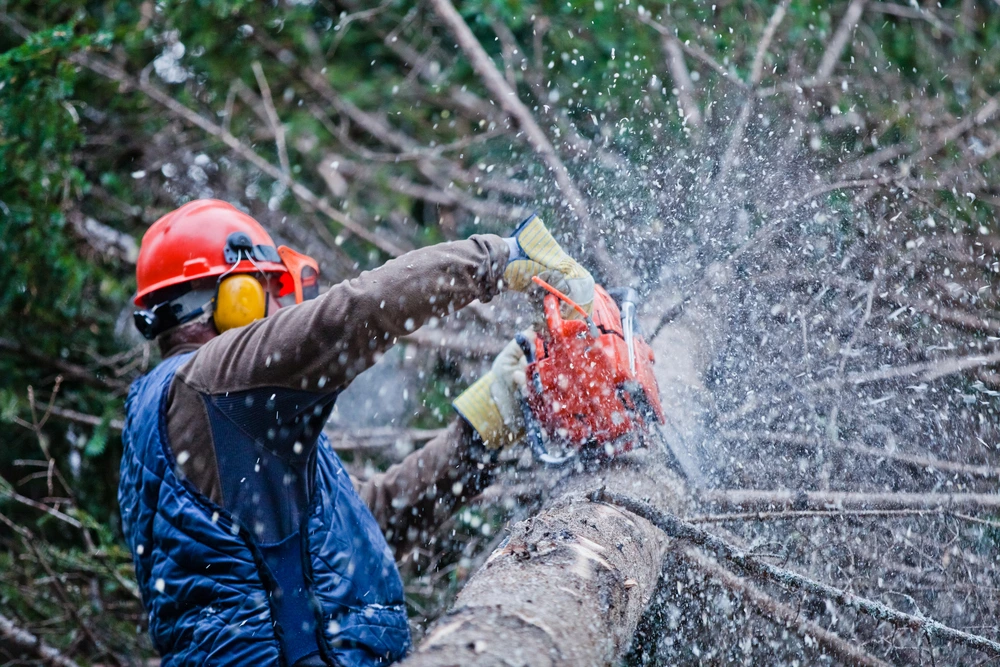
As of 2026, logging workers hold the title of the most dangerous job in the world. According to the most recent data from the U.S. Bureau of Labor Statistics, this profession continues to record the highest fatal injury rate among all civilian occupations.
Despite improvements in equipment design, safety regulations, and forest management practices, logging remains inherently perilous. Cutting massive trees with chainsaws, maneuvering harvesters, and handling cables on unpredictable terrain expose workers to constant risk.
Key Dangers Loggers Face
- Heavy Machinery: Loggers use mechanical harvesters, chainsaws, and cables to cut, move, and load timber. Each of these tools carries a risk factor amplified by weather, poor visibility, and uneven ground.
- Falling Trees: Even experienced workers face fatal risks from misjudged cuts or shifting timber.
- Unpredictable Conditions: Weather, terrain, visibility, or malfunctioning machinery can turn routine tasks into life-threatening challenges.
- Remote Locations: Logging sites are frequently located far from medical facilities, meaning response times for accidents can stretch critical minutes that determine survival.
- Limited Automation: While automation and sensor-equipped machines have entered the industry, the absence of full mechanization across rugged forestry zones means human control remains indispensable.
Employment in the logging field may promise steady pay and outdoor independence, yet it demands exceptional situational awareness, teamwork, and protective discipline. For many loggers, risk acceptance comes with a sense of tradition and pride that defines the identity of their profession.
Other Extremely Dangerous Jobs Worldwide
While logging leads the fatality statistics, many other occupations exhibit comparable hazards. Several of these roles command higher-than-average wages due to risk premiums and specialized training requirements.
Below is a breakdown of the industries and roles that consistently report high injury or fatality rates according to the U.S. Bureau of Labor Statistics and International Labor Organization updates.
1. Fishing and Hunters
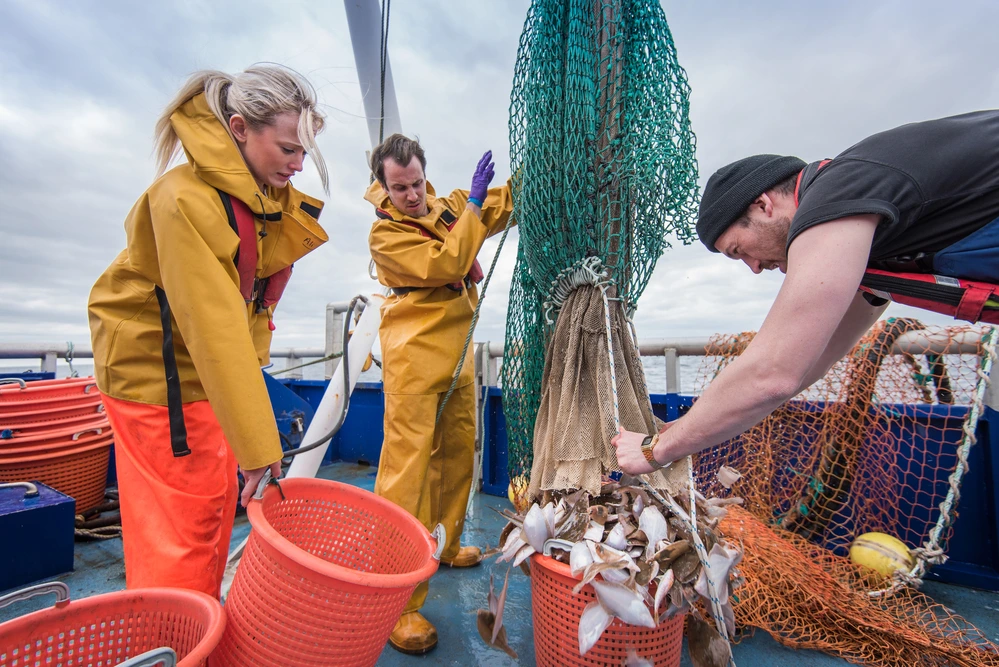
Commercial fishers often toil in extreme storms and freezing waters. Vessel capsizing, equipment entanglement, and hypothermia pose daily threats. Remote oceans complicate rescue operations even with satellite tracking.
2. Aircraft Pilots and Flight Engineers
Especially those in small cargo or air transport, face unpredictable weather and mechanical challenges over long distances. While commercial passenger flights boast high safety levels, agricultural and bush pilots operate in far riskier conditions.
3. Roofers
Falls account for the majority of fatalities in roofing. The mixture of elevation, heat, and unstable surfaces pushes these tradespeople to work with extreme caution year-round.
4. Construction Workers
Heavy machinery, trench collapses, and electrical contacts make construction one of the enduringly hazardous trades, though safety standards have substantially improved over time.
5. Truck Drivers
Long-haul drivers face high accident potential due to fatigue, highway conditions, and irregular schedules. Transportation incidents remain the single largest category of work-related deaths in the United States.
6. Iron and Steel Workers
Handling hot metal, scaffolding, and welding at height exposes these workers to burns, crushing hazards, and extreme fatigue.
7. Power Line Installers
Electrical current and height combine into one of the deadliest sets of occupational dangers globally. A momentary lapse can cause electrocution or falls.
8. Agricultural Workers
Farm operations include machine rollovers, animal attacks, and chemical exposure. Despite technological advances, agricultural work remains physically demanding and accident-prone.
9. Mining Machine Operators
Underground workers face cave-ins, toxic gases, and equipment-related collisions. Even with rigorous federal safety oversight, mining hazards persist in unpredictable geological environments.
10. Law Enforcement Officers
Officers encounter unpredictable confrontations, high-speed pursuits, and stress-related health concerns. Despite comprehensive training, situational volatility keeps risk levels high.
These occupations exemplify the balance between societal necessity and personal risk. Many provide essential goods and services—from energy and infrastructure to food supply—but exact a toll on safety. Workers who pursue these paths often rely on detailed risk mitigation training, insurance coverage, and adherence to federal safety laws enforced by agencies such as OSHA (Occupational Safety and Health Administration).

Fatality Rates and Average Earnings Comparison
Compensation for hazardous work generally increases proportionally to the risk assumed. However, wage premiums rarely compensate fully for the personal danger.
The table below summarizes estimated fatal injury rates and median pay for selected high-risk occupations based on current data compiled by the U.S. Bureau of Labor Statistics.
| Occupation | Fatal Injury Rate (per 100,000 workers) | Median Annual Wage (USD) |
|---|---|---|
| Logging Workers | 130+ | ≈ $48,000 |
| Commercial Fishers | 100+ | ≈ $35,000 |
| Roofers | 90+ | ≈ $47,000 |
| Small Aircraft Pilots and Flight Engineers | 70+ | ≈ $125,000 |
| Refuse and Recyclable Material Collectors | 35+ | ≈ $45,000 |
These statistics highlight that risk intensity does not always align with compensation. Many of the highest fatality-rate industries offer modest wage levels, reflecting economic constraints and labor shortages rather than undervaluing skill.
Risk premiums are often constrained by competition and market demand. Job seekers exploring these paths should evaluate not just wage prospects but long-term health and stability implications.
Safety Innovations Reducing Workplace Risks
Even in the face of persistent hazards, modern safety innovations are reshaping high-risk industries and redefining what it means to survive in the most dangerous jobs in the world.
Key Advances Making Work Safer
- Smarter Equipment: Equipment now features automatic shutoff mechanisms, ergonomic harnesses, and integrated sensors that monitor posture, heartbeat, and fall trajectories.
- Forestry Mechanization: Mechanical harvesters minimize the need for manual felling, lowering risks for loggers in what is the most dangerous job in the world.
- Construction Drones: Remote inspections minimize exposure to height-related dangers, cutting down fall-related fatalities.
- Mining Tech: The mining sector leverages ground-penetrating radar and air quality sensors to preemptively identify hazardous areas before entry.
- Simulation Training: Training protocols have evolved alongside technology. Simulation-based instruction allows new recruits to practice fire response, confined-space navigation, or power-line handling in safe, controlled environments.
- Wearable Safety Devices: Many companies integrate wearable safety tech linked to real-time monitoring systems. These devices alert supervisors to irregular movement patterns or heat exhaustion before accidents escalate.
- Data-Driven Analytics: Employers use advanced reporting to spot recurring incident types and redesign workflows for safer outcomes.
- Legislative Support – OSHA partnerships, compliance incentives, and whistleblower protections have helped cut workplace fatality rates by half compared to three decades ago.
- Sustainability Integration – Safety is now a core performance metric in sustainable operational planning, ensuring modernization benefits both productivity and worker welfare.
Despite these breakthroughs, sectors like forestry and offshore fishing remain statistically hazardous, reminding us that innovation reduces—but does not erase—the risks tied to the most dangerous jobs in the world.
Psychological Demands of High-Risk Professions
Physical danger is only part of the burden. Workers in industries that rank among the most dangerous jobs in the world also face relentless psychological pressures—chronic stress, isolation, sleep deprivation, and time pressure—that can be just as hazardous as heavy machinery or extreme environments.
Critical Psychological Challenges
- Chronic Stress – Constant exposure to danger keeps workers in a heightened state of alert, draining mental resilience.
- Isolation – Long-haul truckers and deep-sea fishers endure solitary conditions or months away from family, amplifying emotional strain.
- Sleep Deprivation – Irregular schedules and demanding shifts impair judgment, increasing the likelihood of accidents.
- Time Pressure – Tight deadlines force workers to push limits, often at the expense of safety.
- Mental Health Risks – Anxiety, depression, and impaired decision-making emerge when fatigue collides with physical danger.
To counteract these pressures, organizations are increasingly implementing the following measures:
- Wellness Initiatives – Mental health screenings, rotation schedules, and peer-support programs help workers cope.
- Peer Accountability – Small crews in mining or logging rely on each other’s vigilance, strengthening safety culture.
- Structured Breaks & Nutrition – Mandatory rest periods and balanced diets are now regulatory staples in many states.
- Recruitment Focus – Employers assess adaptability, calm decision-making, and teamwork as critical skills for survival in high-risk roles.
- Safety Culture – Demonstrating incident-free performance signals competence and reinforces collective resilience.
In the end, thriving in the most dangerous jobs in the world requires more than technical skill—it demands psychological endurance, adaptability, and a commitment to both personal and team safety.
Expert Tip
If you’re aiming to break into industries ranked among the most dangerous jobs in the world, remember that recruiters value more than technical expertise—they want proof you can stay composed when the pressure is on. To move past screening, sharpen your resume with these pro tips:
- Showcase teamwork and endurance in tough environments.
- Highlight calm decision-making under stress.
- Emphasize safety compliance and adherence to protocols.
- Document an incident-free track record to prove reliability.
Balancing Passion, Purpose, and Risk in Career Choices
For some, danger isn’t a deterrent—it’s the draw. Firefighters, rescue pilots, and offshore engineers often embrace risk as part of their purpose, thriving on problem-solving under extreme conditions. Others enter hazardous fields out of economic necessity, especially in industries with limited automation and low barriers to entry.
Either way, stepping into the most dangerous jobs in the world demands a clear-eyed balance of passion and risk. Before committing, job seekers should carefully evaluate the following factors:
- Employer Safety Records – Investigate past incidents, insurance coverage, and modernization of equipment before committing.
- Union & Professional Guidance – Labor groups can clarify protections, standard operating procedures, and compliance expectations.
- Training Certifications – OSHA 30-hour courses or National Safety Council programs boost both employability and survival odds.
- Continuous Learning – Ongoing education and proactive skill-building remain the best safeguard against preventable injury.
- Transferable Skills – Resilience, teamwork, and troubleshooting gained in dangerous industries can open doors to safer roles in management, inspection, or compliance.
Expert Tip
When aiming to advance from high-risk labor into supervisory or consulting roles, make sure your resume tells the right story.
- Document your abilities with measurable results—quantitative proof builds credibility and shows employers you’re more than capable.
- Emphasize safety compliance and highlight incident-free performance records.
A resume tailored to showcase achievements and adherence to protocols often becomes the deciding factor in successfully transitioning from hazardous work to leadership positions.
Empower Safer Career Transitions
Every profession plays a role in keeping society running, but not every career exposes individuals to extreme hazard. Awareness, preparation, and strategic planning allow workers to protect themselves while retaining strong career prospects. Professionals aiming to shift toward safer roles or document their safety expertise can strengthen their competitiveness through professional resume writers who understand how to frame high-risk experience into precise, safety-focused achievements that resonate with employers.
Frequently Asked Questions
What is currently the most dangerous job in the world?
Logging remains the most dangerous job worldwide based on fatality rate per worker. Despite mechanization, heavy machinery, falling timber, and difficult terrain contribute to a fatal injury rate exceeding 130 deaths per 100,000 employees, according to U.S. Bureau of Labor Statistics data.
Which jobs have high injury risks but lower fatality rates?
Professions such as nursing aides, warehouse workers, and delivery drivers experience frequent nonfatal injuries including sprains and fractures. Repetitive strain and overexertion are common hazards, though these are less fatal compared to construction or logging incidents.
How do companies reduce risks in hazardous industries?
Employers deploy safety programs emphasizing worker training, monitoring systems, and hazard audits. Investments in automation, remote sensors, predictive analytics, and reinforced protective gear have significantly reduced fatality rates across construction, energy, and manufacturing sectors.
Do dangerous jobs pay more than average?
Some high-risk positions, such as flight engineers or offshore drilling technicians, include risk-based pay incentives. However, many hazardous occupations, including fishing and logging, offer modest wages relative to their danger due to market price limitations and volatile demand.
What certifications improve safety and employability in dangerous jobs?
Credentials such as OSHA Safety Training, HAZWOPER Certification, and First Aid/CPR Training improve both job eligibility and safety performance. Employers favor candidates who demonstrate formal safety education and adherence to national or industry-specific standards.