


Many professionals face compliance concerns when starting or maintaining their employment. Workplace safety requirements are often complex—especially regarding vaccinations. Employers must navigate federal and state health mandates while ensuring cost-free access to specific vaccines that protect their workforce from occupational diseases.
Healthcare experts and occupational authorities emphasize that knowing what free vaccines employers are required to provide helps workers safeguard their rights and health. This guide outlines which vaccines employers must offer at no cost, the corresponding legal frameworks under OSHA and CDC guidance, and how immunization policies affect employees across industries. The article addresses the core question: what free vaccines must employers required to provide.
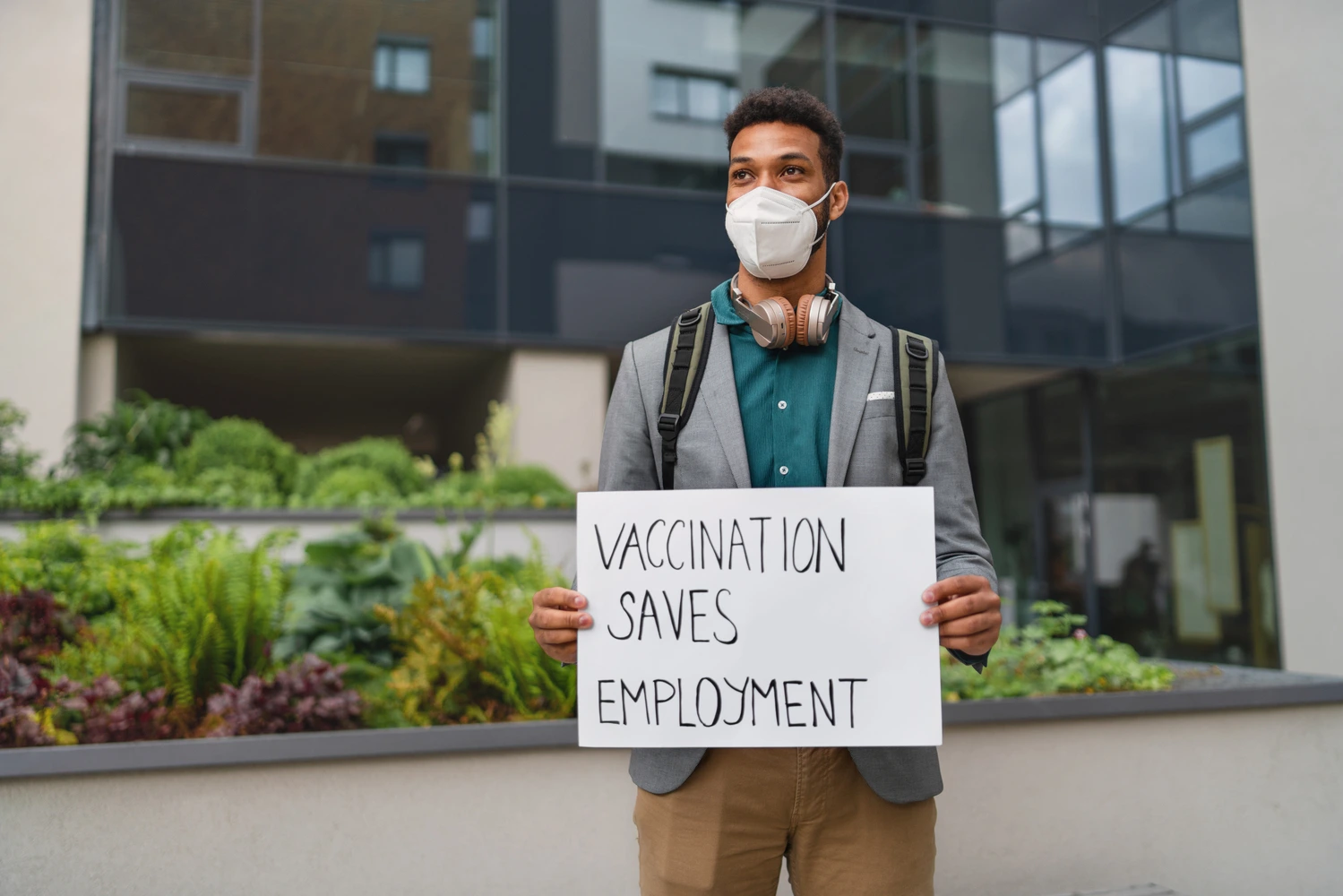
Understanding Employer Vaccine Obligations Under U.S. Law
Employers in the United States are subject to numerous health and safety standards established by organizations such as the Occupational Safety and Health Administration (OSHA) and the Centers for Disease Control and Prevention (CDC). These regulations aim to protect workers from exposure to biological hazards that may arise during the course of their employment. Immunization is one of the critical preventive measures in this framework, and when required, what free vaccines must employers required to provide becomes a central compliance issue. Employers must ensure that listed vaccines are offered at no cost to their employees.
The necessity for employer-provided vaccines does not apply universally to all industries. Instead, it depends on the nature of the job and potential exposure to certain diseases. For instance, workers in healthcare, laboratory research, emergency response, and similar settings may face occupational risks that mandate vaccinations. OSHA’s Bloodborne Pathogens Standard (29 CFR 1910.1030) is the most prominent example requiring employers to provide specific vaccines free of charge, particularly for workers who can reasonably anticipate exposure to infectious materials.
This legal requirement complements broader public health goals. Workplace vaccination not only protects individual employees but also limits the transmission of diseases across communities. The CDC collaborates closely with regulatory bodies to keep vaccine recommendations updated as new pathogens and technologies emerge. Employers are expected to adhere to these evolving standards and maintain up-to-date immunization records for compliance and liability protection.
Key considerations include recordkeeping, voluntary consent, and the prohibition of charging employees for required vaccinations. Even when vaccination is part of a post-exposure protocol, affected workers are entitled to receive prophylaxis or booster doses at no cost. Employers who fail to meet OSHA vaccination requirements may face citations, penalties, or increased liability in case of workplace transmission events. Ultimately, understanding what free vaccines must employers required to provide ensures both legal compliance and stronger workforce protection.

Core Free Vaccines Employers Must Provide
While the CDC recommends a broad array of vaccines for general adult protection, only certain immunizations are specifically mandated for employers to provide at no cost under federal or state occupational safety standards. These requirements define what free vaccines must employers required to provide, ensuring that workplace protections align with occupational hazards. Such vaccines correspond to job‑related risks and are identified within OSHA’s guidelines and the U.S. Public Health Service recommendations.
- Hepatitis B Vaccine – The hepatitis B vaccine remains the primary immunization explicitly required under OSHA’s Bloodborne Pathogens Standard. Employees who may come into contact with blood or other potentially infectious materials (OPIM)—such as nurses, laboratory technicians, dental workers, emergency responders, and correctional officers—must be offered this vaccination free of charge. Employers are responsible for the full vaccination series and necessary boosters when indicated. Workers retain the right to decline but must sign an OSHA-declination form while maintaining the option to accept the vaccine later without cost.
- Rabies Vaccine (Specific Occupations) – In certain roles, especially animal control, veterinary medicine, and wildlife handling, pre-exposure rabies immunization may be necessary. Although not universally mandated, employers are required under the General Duty Clause to ensure protection when employees are at significant risk. In such scenarios, providing the rabies vaccine at no cost is a recognized best practice and often compelled through state occupational laws or public health departments.
- Influenza Vaccine (Healthcare and Long-Term Care Facilities) – While federal law does not require all employers to cover influenza vaccines, healthcare institutions and eldercare facilities often fall under state or Centers for Medicare & Medicaid Services (CMS) requirements. Facilities participating in Medicare or Medicaid must offer annual influenza vaccines to healthcare personnel and residents, typically without charge, to minimize transmission.
- COVID-19 and Emerging Pathogen Vaccines (When Mandated) – During federal public health emergencies or under directives from agencies like the Equal Employment Opportunity Commission (EEOC) or Department of Labor (DOL), employers may be obligated to provide COVID-19 or similar vaccines at no cost. Although mandates vary, many employers choose to continue offering updated boosters to staff as part of workplace wellness initiatives to mitigate infection risk and absenteeism.
- Tetanus and Diphtheria (Td or Tdap) for High-Risk Occupations – Employees involved in construction, industrial maintenance, sanitation, or other tasks that involve puncture wounds or handling of sharp materials may require tetanus protection. Employers are expected to facilitate access to boosters, especially for post-injury treatment, at no cost under OSHA first-aid response requirements.
- Other Biologic Agent Vaccines (By Occupational Exposure) – Employees working in research laboratories handling infectious agents such as anthrax, typhoid, or smallpox may fall under additional immunization requirements. Government-contracted laboratories and defense bio-research units often provide these vaccines free to personnel under CDC and Department of Health and Human Services (HHS) biosafety frameworks.
Employers must ensure vaccine accessibility during paid working hours and at a convenient location for employees. Documentation confirming vaccine administration, declination, or exemption must be securely retained in compliance with HIPAA and OSHA recordkeeping standards.
Industry-Specific Vaccine Requirements and Examples
Each industry faces unique exposure risks that influence which immunizations employers must offer. Compliance with these vaccination standards depends on environmental hazards, biological agents, and the type of services provided. The following breakdown shows how specific industries implement free vaccine requirements across the United States.
| Industry | Typical Required Vaccines |
|---|---|
| Healthcare & Hospitals | Hepatitis B, Influenza, Tdap, COVID-19 (if applicable) |
| Veterinary & Animal Control | Rabies, Tetanus, sometimes Hepatitis B |
| Laboratories (Biomedical or Public Health) | Hepatitis B, Anthrax (if researching), Typhoid (for certain cultures) |
| Corrections & Law Enforcement | Hepatitis B, Influenza |
| Public Works & Sanitation | Tetanus, Hepatitis A or B (based on risk assessment) |
Healthcare employers represent the group with the most stringent vaccination requirements. Hospitals and nursing facilities must follow CDC’s Advisory Committee on Immunization Practices (ACIP) recommendations for healthcare personnel. This includes annual influenza vaccination, Hepatitis B immunization, and proof of immunity to measles, mumps, rubella (MMR), and varicella. While not all of these are federally required to be employer-funded, many facilities absorb the cost to comply with accreditation standards from The Joint Commission and to uphold patient safety mandates.
In laboratory settings, OSHA mandates employer-provided protection when employees handle agents that can cause serious disease. For example, workers dealing with human blood samples fall under the Bloodborne Pathogens Standard and must be given Hepatitis B vaccination. In federal laboratories, biosafety level (BSL) protocols often outline pathogens requiring pre-exposure immunization before lab access is granted.
Meanwhile, veterinarians, kennel workers, and wildlife handlers are at risk for rabies exposure. Given the fatal nature of rabies, most public animal service departments and private clinics cover pre-exposure vaccination costs. Similarly, utility workers and sanitation personnel dealing with wastewater or refuse may require tetanus and Hepatitis A immunity due to contamination risks. Though these vaccines are not always OSHA-mandated, employers who perform appropriate hazard assessments frequently provide them under the General Duty Clause of the Occupational Safety and Health Act.
Employers also consider local or state health regulations, as many states—including California, New York, and Texas—have supplemental requirements for healthcare, early education, and public safety employees. These additional mandates further define what free vaccines must employers required to provide.
Legal Frameworks Behind Employer Vaccine Requirements
Multiple regulatory and legal instruments define employer obligations for mandatory vaccinations. The central authority lies in the Occupational Safety and Health Act of 1970, empowering OSHA to ensure safe and healthful working conditions. The Bloodborne Pathogens Standard stands out for its explicit vaccination requirement. According to OSHA regulation 29 CFR 1910.1030(f)(2), what free vaccines must employers required to provide is clearly outlined: employers must make the Hepatitis B vaccine and related post-exposure evaluation and follow-up available to all employees with occupational exposure at no cost, within ten working days of initial assignment.
Additionally, the Centers for Disease Control and Prevention issues ACIP (Advisory Committee on Immunization Practices) guidelines that often serve as the baseline for employer health policies. Although ACIP’s recommendations are not legally binding, many regulatory agencies—including OSHA and CMS—reference them when defining compliance expectations. State-level occupational safety programs approved under Section 18 of the OSH Act may also establish stricter vaccine standards, which employers must follow to remain compliant.
Under the Americans with Disabilities Act (ADA) and the Civil Rights Act of 1964, employers must offer reasonable accommodations to employees who cannot receive certain vaccines due to medical or religious reasons. However, when vaccination is mandated by law, exemptions can be restricted if noncompliance poses a direct threat to health and safety. Employers should maintain accurate medical privacy standards under HIPAA and segregate vaccine records from personnel files to protect employee confidentiality.
The Equal Employment Opportunity Commission (EEOC) provides interpretive guidance on implementing mandatory vaccine programs without violating anti-discrimination laws. Employers must ensure that vaccine policies are job-related and consistent with business necessity. Clear documentation of exposure risk assessments helps employers justify vaccine requirements in compliance audits or legal challenges.
From a labor relations perspective, unionized workplaces may negotiate vaccine provisions as part of collective bargaining agreements. Employers should align these provisions with federal standards to avoid conflict between negotiated terms and statutory obligations. Employers who proactively follow OSHA and CDC requirements minimize legal liability while promoting workforce well-being. Understanding what free vaccines must employers required to provide ensures compliance with federal law, protects employee rights, and strengthens workplace safety.
Best Practices for Employers in Administering Workplace Vaccines

What free vaccines must employers required to provide should also ensure proper administration, documentation, and employee education. Meeting compliance standards goes beyond offering vaccinations—it encompasses establishing clear written policies and maintaining consistent communication. The CDC and OSHA recommend that employers implement a comprehensive immunization management program supported by the following best practices.
- Conduct Exposure Assessments: Identify positions at risk for infectious exposure. Evaluate work tasks, environments, and necessary protective measures to determine vaccine eligibility. Document findings for regulatory reference.
- Maintain Written Immunization Policies: Develop internal protocols consistent with CDC and OSHA requirements. Policies should define eligibility criteria, procedures for voluntary declination, timelines for vaccine administration, and confidentiality protections.
- Coordinate with Licensed Health Providers: Employers must partner with healthcare professionals authorized to administer vaccines and maintain clinical oversight. Vaccination services should be provided during paid working hours at accessible sites.
- Ensure Proper Recordkeeping: OSHA mandates retention of healthcare and vaccination records for the duration of employment plus 30 years (under 29 CFR 1910.1020). Maintaining organized, secure files ensures compliance during audits.
- Accommodate Exemptions Appropriately: Employers should process vaccination exemptions respectfully without penalizing employees. Document granted accommodations and modified work arrangements to reduce exposure risks.
- Offer Education and Informed Consent: Employees must receive clear information about the benefits and potential risks of vaccines, along with access to Vaccine Information Statements (VIS) as required by federal law.
- Monitor Updates: Public health directives evolve rapidly. Employers should review CDC, OSHA, and state health authority updates at least annually to maintain compliance with the latest vaccine science and regulatory guidance.
Employers that integrate immunization into occupational safety culture often experience fewer work-related illnesses, lower absenteeism, and stronger employee confidence in workplace protections. Providing vaccinations proactively also enhances an organization’s reputation for prioritizing health and compliance.
Employee Rights and Employer Responsibilities
Employees working in settings covered by OSHA’s vaccination requirements are entitled to vaccines at absolutely no cost, including scheduling during paid work time and medical follow-up for any adverse reactions. This obligation directly ties into what free vaccines must employers required to provide, ensuring that workers are not financially or logistically burdened by compliance measures. Workers have the right to decline vaccination through a signed declination form, which must remain on record. Under OSHA, an employer cannot retaliate or discriminate against an employee based on the decision regarding vaccination participation, provided it aligns with regulatory exemptions.
Employers must inform each potentially exposed employee about their rights, the risks of occupational exposure, and the available vaccine benefits. Failure to provide required vaccines may result in significant penalties. According to OSHA enforcement data, fines for noncompliance with the Bloodborne Pathogens Standard can exceed $15,000 per violation category, with higher penalties for willful negligence or repeated offenses.
Employees who believe their employer failed to offer free required vaccines can file a complaint directly with OSHA. These grievances are confidential, and the agency is mandated to investigate such claims promptly. Upon verification, OSHA may issue citations requiring corrective action orders and ensure vaccination access as part of remediation efforts.
Beyond compliance, many employers choose to go above minimum requirements by covering additional vaccines such as influenza, COVID-19 boosters, MMR, or varicella to enhance workforce protection. This preventive strategy minimizes workforce disruptions caused by outbreaks and aligns with organizational health promotion initiatives.
Why Vaccine Compliance Strengthens Workplace Safety
Vaccination policies serve as foundational elements in workplace health programs. From an occupational safety standpoint, immunization reduces both direct and indirect risks—protecting workers from infection and maintaining workforce continuity. The CDC attributes workplace-related disease outbreaks to preventable exposure when immunizations are omitted or improperly documented, underscoring the importance of knowing what free vaccines must employers required to provide.
Implementing free vaccine programs helps employers demonstrate good-faith compliance, reduce workers’ compensation claims, and strengthen public trust. OSHA’s regulatory philosophy holds that prevention costs are significantly lower than remediation costs after an exposure incident. For instance, post-exposure treatment for hepatitis B or rabies can exceed thousands of dollars, while providing preemptive vaccination is a fraction of that expense.
Furthermore, aligning vaccination efforts with overall employee wellness programs enhances morale and engagement. Employees tend to view organizations that invest in their well-being as responsible and trustworthy employers. This perception contributes to improved retention, productivity, and brand reputation—factors that extend beyond compliance into strategic workforce planning.
Ultimately, building a resilient workplace health framework involves recognizing vaccination as a shared responsibility between employer and employee. Employers provide the infrastructure and funding, while employees contribute to compliance and awareness. When both fulfill their obligations, organizations achieve a safer, more productive environment that benefits all stakeholders.
Prioritizing Compliance and Employee Well-Being

Understanding required immunization standards is essential for both compliance and employee protection. By providing no-cost vaccines for occupationally exposed workers, employers reduce risks and foster a safe work environment. Employees navigating these matters in healthcare, research, or administrative fields can strengthen their professional standing with documentation that reflects safety awareness and regulated compliance—often highlighted effectively in job applications prepared through professional resume writers who emphasize expertise and safety credentials relevant to industry standards. Knowing what free vaccines must employers required to provide ensures that compliance efforts translate into stronger workplace safety and healthier communities.
Frequently Asked Questions
Which vaccines are employers legally required to provide for free?
Under OSHA’s Bloodborne Pathogens Standard, employers are legally required to provide the hepatitis B vaccine series at no cost to workers who risk exposure to blood or other potentially infectious materials. Certain occupations also require rabies or tetanus immunizations by law or local regulation.
Do employers in the U.S. have to pay for COVID-19 vaccinations?
Employers are not federally obligated to cover COVID-19 vaccination costs for employees unless mandated under specific public health directives. However, many workplaces voluntarily provide free COVID-19 vaccinations or paid time off to comply with OSHA and EEOC guidance.
Can an employee refuse a required vaccine?
Employees may decline mandatory vaccines by submitting a written declination form. Those refusing for medical or religious reasons may be entitled to reasonable accommodations under the Americans with Disabilities Act (ADA) and Title VII of the Civil Rights Act.
Are flu vaccines required for all workers?
Federal law does not require influenza vaccination for all workers, but healthcare facilities regulated by the Centers for Medicare & Medicaid Services must offer annual flu shots to personnel and residents, typically free of charge.
How can employees ensure their employers comply with vaccination laws?
Employees can request written vaccine policies, confirm compliance with OSHA and CDC standards, and report violations to OSHA. The agency investigates complaints confidentially and orders remediation when employers fail to meet vaccination obligations.