


Periods of job loss often bring uncertainty and frustration, but understanding the types of unemployment can make all the difference. Whether facing sudden layoffs, career transitions, or industry shifts, job seekers—from executives to recent graduates—gain confidence by identifying the nature of their employment gap and tailoring their reemployment strategy.
This guide explores economic cycles, job market demands, and personal employability factors to help professionals navigate different types of unemployment with confidence. By understanding these dynamics, professionals can build resilience, sharpen their reemployment strategies, and align their job search with today’s evolving workforce trends.
Defining Unemployment in Economic and Practical Terms
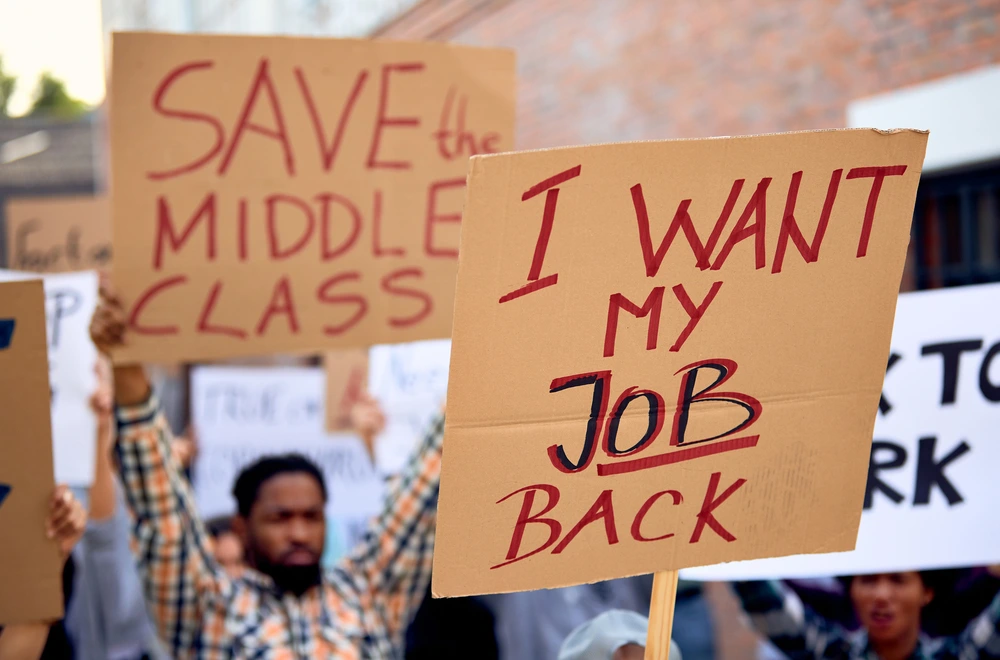
Unemployment isn’t just a statistic—it’s a powerful signal of how healthy and resilient an economy really is. At its core, unemployment occurs when individuals who are ready and able to work are actively seeking jobs but cannot secure one. Economists view it as a critical measure of labor efficiency, workforce preparedness, and overall economic stability.
The U.S. Bureau of Labor Statistics (BLS) tracks unemployment through monthly surveys, distinguishing between those employed, unemployed, or not participating in the labor force. This data, collected via the Current Population Survey, reveals the share of the labor force currently out of work but available for employment.
Why It Matters
- Economic Stability: Rising unemployment often signals slowing growth as consumer spending declines.
- Business Confidence: Low unemployment reflects strong hiring activity but can also drive wage inflation and competition among employers.
Beyond numbers, unemployment reflects personal experiences, market transitions, and productivity shifts. Recognizing the types of unemployment empowers job seekers to tailor strategies and helps policymakers design targeted interventions to reduce joblessness and strengthen workforce resilience.
Main Types of Unemployment
Economists and career development professionals categorize unemployment into five main types: frictional, structural, cyclical, seasonal, and institutional. Each type reveals a specific labor market challenge and offers different implications for job seekers and employers. Understanding the distinctions of the types of unemployment helps professionals craft effective career strategies, especially during periods of transition or retraining.
Frictional Unemployment
Short-term joblessness during career moves or role changes. Often positive, it reflects the time needed for workers and employers to find suitable matches. Examples include a professional leaving one position to pursue a better opportunity or a recent graduate seeking their first full-time role. These transitions are essential for improving labor market efficiency.
Structural Unemployment
An unemployment driven by economic shifts and evolving industries. Automation, AI, and offshoring can make certain skills obsolete. For example, automation in manufacturing and AI-driven systems have replaced many traditional roles. To overcome structural unemployment, workers often need retraining, upskilling, or formal education in emerging technologies or in-demand sectors.
Cyclical Unemployment
Directly linked to economic cycles, cyclical unemployment surges during recessions when aggregate demand declines, prompting layoffs and business closures. As consumer spending and investments drop, employers reduce staff. However, cyclical unemployment typically declines during periods of recovery, when production, hiring, and consumer confidence rebound. Government stimulus packages and public works programs often target this type to stabilize the economy.
Seasonal Unemployment
Certain industries, such as tourism, agriculture, and construction, experience fluctuations based on seasonal demand. Workers in these fields may face periodic unemployment during off-peak months. For example, ski instructors and agricultural laborers typically encounter seasonal gaps. Recognizing these cycles allows individuals to plan supplemental income or alternative employment during downtime.
Institutional Unemployment
Institutional unemployment arises from structural or policy-related barriers that limit employment opportunities. Minimum wage laws, labor regulations, or restrictions on hiring and firing can influence employers’ willingness to add positions. Additionally, discrimination, restrictive licensing requirements, or ineffective unemployment benefits can unintentionally prolong joblessness.
Each form of unemployment affects income stability, job search duration, and skill alignment differently. By recognizing these dynamics, job seekers can tailor their career approach—whether by pursuing specialized certifications, exploring remote opportunities, or shifting toward high-growth sectors like technology or healthcare.
How Economic Factors Influence Unemployment
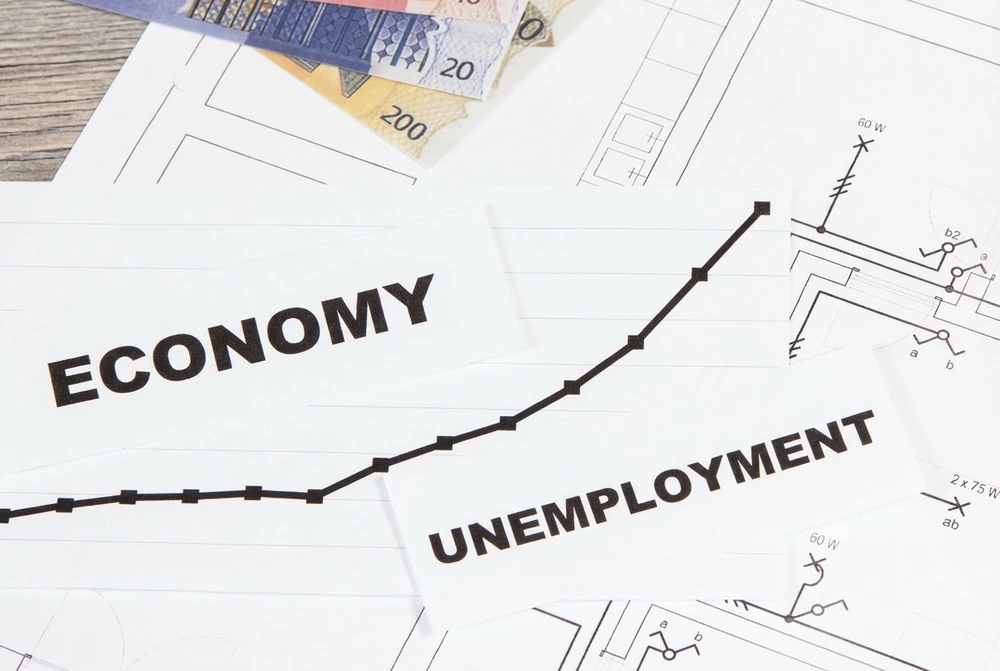
Unemployment isn’t a fixed number; it’s a moving target shaped by the pulse of the economy. From global trade shifts to federal monetary policy, every macroeconomic decision ripples through the job market.
- Economic downturns shrink consumer demand, forcing companies to cut payrolls.
- Booming economies ignite production, fuel job creation, and pull more people into the workforce.
Inflation vs. Unemployment: The Balancing Act
The relationship between inflation and unemployment is often captured by the Phillips Curve—a classic economic model that shows their inverse connection.
- Low unemployment → Rising wages → Higher inflation pressures.
- High unemployment → Slower wage growth → Stabilized prices.
Policymakers walk a tightrope here, adjusting interest rates, fiscal spending, and taxation to keep both inflation and unemployment in check.
Technology: The Silent Job Market Disruptor
Beyond traditional economic levers, technology is rewriting the rules of employment. Automation, robotics, and AI are reshaping labor demand, prioritizing skills that blend cognitive ability with technical expertise.
- Jobs displaced: Routine manual roles that are vulnerable to automation.
- Jobs created: Careers in data management, cybersecurity, renewable energy, and sustainable tech.
The takeaway? Adaptability is the ultimate career currency. Workers who reskill and embrace innovation are better positioned to thrive in tomorrow’s economy.
Unemployment is more than a statistic—it’s a reflection of how economies evolve, how policymakers respond, and how workers adapt. Understanding the types of unemployment and its key drivers isn’t just academic; it’s essential for anyone navigating today’s fast-changing labor market.
Examples Illustrating Each Type of Unemployment
| Type of Unemployment | Typical Real-World Example |
|---|---|
| Frictional | A marketing analyst resigns to explore higher-paying positions in another city. |
| Structural | A coal mining technician loses work as the industry declines due to clean energy initiatives. |
| Cyclical | Factory employees laid off during a national recession when consumer demand declines. |
| Seasonal | Retail staff hired during the holiday period are released once post-season sales end. |
| Institutional | A company delays expanding operations due to compliance restrictions and high labor taxes. |
These scenarios illustrate that not all unemployment is inherently negative. Frictional unemployment, for instance, supports career mobility and economic flexibility, whereas structural unemployment underscores the necessity for upskilling. By discerning which scenario applies to their professional transition, job seekers can better plan how to shorten their time between employment opportunities.
Understanding the Natural Rate of Unemployment
The natural rate of unemployment is the baseline level that persists even when the economy is at “full employment.” It reflects the unavoidable shift of the labor market, such as people switching jobs, industries evolving, and skills shifting with time.
According to recent labor models, the natural rate typically ranges between 3.5% and 5% in the United States, based on BLS trend analysis. Economists caution that pushing unemployment below this equilibrium is rarely sustainable. When labor markets tighten too much:
- Wages surge, fueling inflationary pressures.
- Employers compete aggressively for talent, driving costs higher.
- Policymakers intervene with interest rate hikes, fiscal adjustments, or tax strategies to restore balance.
The goal isn’t zero unemployment. Policymakers should aim for a healthy balance where job growth thrives without overheating the economy.
For job seekers, understanding this benchmark helps contextualize individual unemployment experiences within a broader economic framework rather than personal shortcomings.

The Role of Education and Skill Development in Reducing Unemployment
Education is more than a pathway to knowledge—it’s a primary defense against unemployment, particularly structural and cyclical forms. By equipping workers with adaptable, technical, and interpersonal skills, education helps individuals transition smoothly across industries and economic cycles.
When industries shift, reskilling transforms displacement into opportunity.
- Vocational training prepares workers for hands-on, specialized roles. For example, displaced manufacturing workers who retrain in electric vehicle production, logistics automation, or renewable energy roles reduce long-term joblessness.
- Micro-credentials and certifications keep professionals aligned with evolving job requirements. Apprenticeships and industry certifications, designed through collaboration between schools, governments, and employers, offer practical experience that strengthens employability and help close the skills gap.
- Continuing education programs ensure lifelong learning and career resilience. New graduates gain an edge by building data literacy, project management, and communication skills—competencies valued across industries.
By maintaining a continuous learning mindset, professionals proactively reduce vulnerability to labor disruptions.
Government Policies and Unemployment Management
Government policies are central to how economies handle different types of unemployment—from cyclical downturns to structural shifts caused by technology. By combining fiscal measures, monetary strategies, and safety nets, policymakers aim to stabilize the labor market while encouraging workforce participation.
Fiscal Policy
During recessions, governments deploy the following expansionary fiscal policies to counter cyclical unemployment. These measures directly target unemployment by fueling growth and supporting reskilling.
- Infrastructure spending creates immediate jobs and boosts demand.
- Tax relief puts more money in consumers’ hands, driving economic activity.
- Workforce grants and retraining funds from the U.S. Department of Labor help workers displaced by automation or trade shifts transition into new industries.
Monetary Policy
The Federal Reserve influences unemployment indirectly by adjusting interest rates to control inflation and encourage or restrict borrowing.
- Lower rates → Cheaper borrowing → Business expansion → More hiring.
- Higher rates (tightening) → Slower growth → Short-term rise in unemployment, but inflation control.
This balancing act is crucial for managing both cyclical and frictional types of unemployment, ensuring the economy doesn’t overheat while still supporting job creation.
Safety Nets
Beyond fiscal and monetary tools, governments provide safety nets that protect workers while promoting reemployment.
- Unemployment insurance sustains consumer spending, preventing deeper recessions.
- Vocational support programs encourage displaced workers to retrain, reducing structural unemployment.
- Balanced benefits avoid long-term dependency by pairing financial aid with pathways back into the workforce.
The goal is clear: provide stability without discouraging job search activity.
Unemployment and the Future of Work in the U.S.
The U.S. workplace is evolving fast. Remote work, digital collaboration, and AI-driven tools are reshaping industries—creating new opportunities while displacing traditional roles. Clerical jobs decline, while demand rises for tech specialists, cybersecurity experts, and healthcare support workers.
Modern employment also introduces new categories—freelancers, gig workers, and hybrid employees—changing how future unemployment metrics capture different types of unemployment.
Skills for Lifelong Employability
Career resilience now depends on adaptability:
- Skill foresight: Anticipating industry shifts.
- Networking agility: Building connections in dynamic markets.
- Personal branding: Showcasing value through resumes and digital presence.
Resumes tailored to highlight quantifiable impact, transferable skills, and digital literacy stand out in ATS-driven job markets.
Gig Economy: Freedom vs. Fragility
The gig economy offers autonomy but comes with risks:
- Opportunities: Flexible work and independence.
- Risks: Unstable income and limited unemployment protections.
Policymakers are exploring portable benefits and labor equity across employment types. Meanwhile, workers safeguard themselves by diversifying skills and strengthening network
Key Takeaway
The future of work will redefine how we measure and manage different types of unemployment. Success hinges on adaptability—embracing lifelong learning, leveraging digital tools, and navigating new employment models. For U.S. workers, resilience is the foundation of long-term career security.

Build Resilience During Unemployment
Emotional and strategic resilience helps job seekers recover faster from unemployment. Developing a structured plan—including upskilling, focused networking, and resume optimization—prevents discouragement and accelerates re-entry into the labor force. Job seekers should also maintain daily discipline, leverage professional associations, and explore volunteering to remain visible and engaged while unemployed.
Financial literacy plays an essential role during periods of joblessness. Creating a realistic budget, prioritizing essentials, and reviewing eligibility for temporary benefits ensure stability throughout transitions. Moreover, building multiple income streams, such as freelance work or online consulting, can alleviate financial strain while maintaining professional relevance.
Resilience extends beyond individual action. Community networks, workforce boards, and career counseling centers offer crucial support. Many professionals also turn to professional resume writers who provide data-driven, market-aligned documents that attract recruiters and meet today’s ATS requirements. These resources restore momentum during uncertain career phases and improve prospects for meaningful reemployment.
Frequently Asked Questions
What are the five main types of unemployment?
The primary types include frictional, structural, cyclical, seasonal, and institutional unemployment. Each represents different factors behind joblessness—from voluntary career transitions and skill mismatches to economic recessions and regulatory barriers.
Which type of unemployment is considered unavoidable?
Frictional unemployment is often unavoidable since it results from normal workforce movement. It reflects the natural lag between leaving one job and starting another, as workers seek roles matching their qualifications.
How does structural unemployment differ from cyclical unemployment?
Structural unemployment occurs when evolving industries or technologies make existing skills obsolete, while cyclical unemployment is caused by downturns in economic activity that reduce labor demand temporarily.
What role does education play in preventing unemployment?
Education enhances adaptability by equipping workers with versatile, future-ready skills. Training programs, certifications, and higher education strengthen employability, especially against automation-driven job losses.
How is the unemployment rate calculated in the U.S.?
The U.S. Bureau of Labor Statistics calculates it by dividing the number of unemployed individuals actively seeking work by the total labor force. This measurement is published in the monthly Employment Situation report.